
The Ultimate Guide to Dog-Friendly Asheville
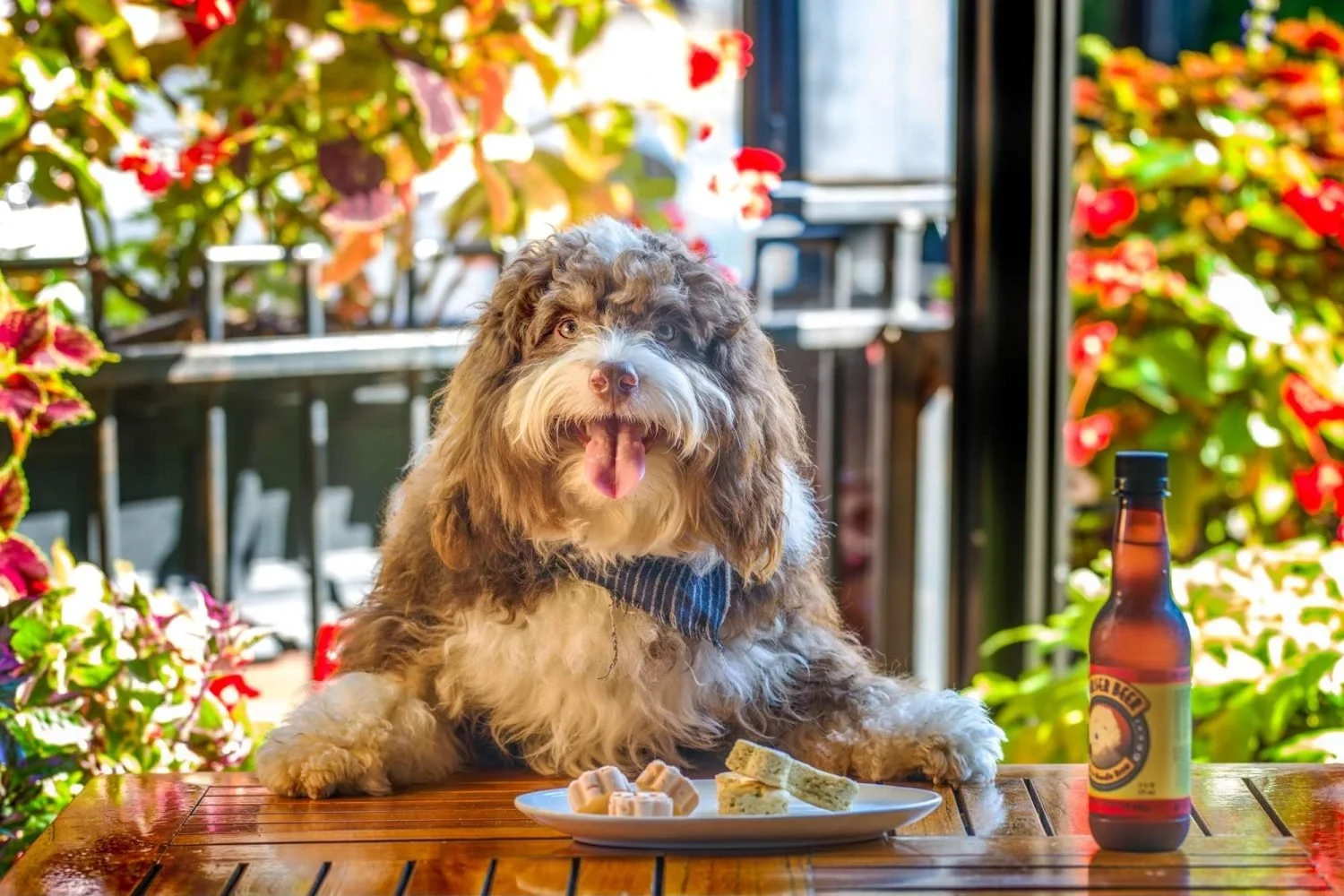
Pets and Vacations in Asheville
Breweries, Blue Ridge Hikes & Pet-Welcoming Cabins
Table of Contents
Welcome to Dog-Friendly Asheville
Why Asheville Is a Pet Lover’s Paradise
Dog-Friendly Brewery Culture
Top Dog-Friendly Breweries in Asheville
Best Dog-Friendly Patios & Outdoor Dining
Scenic Blue Ridge Mountain Hikes (Easy)
Scenic Blue Ridge Mountain Hikes (Moderate)
Scenic Blue Ridge Mountain Hikes (Waterfalls)
Off-Leash Parks & Urban Trails
Pet-Welcoming Cabins in the Blue Ridge Mountains
Luxury Pet-Friendly Stays
Budget-Friendly Dog-Friendly Lodging
Seasonal Travel Tips for Visiting Asheville with Dogs
Pet Safety, Etiquette & Local Rules
Planning the Perfect Dog-Friendly Asheville Itinerary
Conclusion
References
Chapter 1: Welcome to Dog-Friendly Asheville
Introduction — The Hidden Charm of Asheville for Dogs
Nestled in the heart of the Blue Ridge Mountains, Asheville, North Carolina is a city where nature, culture, and canine companions converge in perfect harmony. Visitors often arrive seeking the mountain vistas, art galleries, and craft breweries for which Asheville is famous, but many discover a hidden layer: the city’s extraordinary embrace of dogs. Leash in hand, you’ll notice pups accompanying owners on sidewalks lined with cafes, crossing bridges over bubbling streams, or trotting alongside hikers on shaded trails. Asheville’s dog-friendly identity isn’t just a convenience; it’s part of the local lifestyle, woven into the fabric of daily life in a way that invites exploration, relaxation, and adventure alongside your four-legged friend (Visit Asheville, 2024).
The city’s charm begins with its accessibility. Unlike destinations where pets feel like an afterthought, Asheville proactively integrates dogs into public spaces. Outdoor patios abound, from local eateries serving Southern cuisine to craft breweries offering cool shaded spots and fresh water bowls for thirsty pups. Boutique shops display dog-friendly signage, and many hiking trails explicitly welcome dogs, often featuring areas for off-leash exploration under controlled conditions. Even accommodations—from cozy cabins tucked into the mountains to historic B&Bs in downtown Asheville—cater to pets, offering beds, treats, and amenities that make dogs feel genuinely at home. The result is a city that doesn’t just tolerate dogs—it celebrates them, fostering an atmosphere where humans and pets can explore in tandem (TripAdvisor, 2024).
Beyond the conveniences, Asheville offers a sensory playground for dogs and their owners alike. The fresh mountain air carries scents of pine, wildflowers, and streams, beckoning pups to sniff, run, and investigate the natural world. Trails weave through forests and along ridges that overlook the Blue Ridge Mountains’ rolling peaks, offering exercise and engagement for even the most energetic dogs. Urban areas are equally stimulating: the historic downtown features cobblestone streets, street performers, and open markets, all of which provide both mental and social enrichment. Here, the city becomes an interactive environment, with each corner, park, or café providing opportunities for discovery, bonding, and leisurely exploration (AllTrails, 2024).
Planning a dog-friendly Asheville trip requires a balance between adventure and comfort, and the city makes that easy. Many local guides, websites, and social media communities maintain up-to-date lists of dog-friendly establishments, seasonal events, and hiking regulations, helping visitors craft itineraries that maximize fun while minimizing stress. Whether it’s a weekend getaway or a week-long retreat, Asheville accommodates a variety of experiences—from rugged outdoor treks and serene lake walks to indulgent brewery stops and cozy evenings in a pet-welcoming cabin. For dog owners, the city provides both inspiration and practical resources, ensuring that every visit is memorable for humans and their loyal companions alike (Asheville Dog Guide, 2024).
Mountain Adventures and Hiking Trails
Asheville’s setting in the Blue Ridge Mountains creates a natural playground for dogs and their owners. Trails range from easy strolls along riverside paths to moderate mountain loops that challenge both you and your pup. One of the most popular destinations is the Craggy Gardens Trail, which offers sweeping mountain vistas and shaded paths where dogs can explore safely on leash. Along the way, waterfalls, wildflowers, and open meadows invite playful detours, and the cool forest canopy provides relief during warm months (Hiking Project, 2024).
Many trails encourage off-leash exploration in controlled areas, offering dogs a chance to run freely while still under supervision. The Bent Creek Experimental Forest, for example, combines quiet forest trails with open fields, allowing dogs to interact with nature in a way that stimulates both mind and body. Seasonal wildflowers and local wildlife sightings add an extra dimension, making each hike a unique adventure. Experienced hikers and casual walkers alike find that these trails offer an ideal balance of exercise, scenery, and bonding time (AllTrails, 2024).
Water features are another highlight for mountain adventures. Streams, small rivers, and mountain lakes along trails provide natural refreshment stops for dogs. Areas like the Lake Powhatan feature calm waters where dogs can splash safely, while owners relax and take in the surrounding views. These lakeside hikes not only offer exercise but also opportunities for dogs to interact socially, explore textures underfoot, and enjoy the sensory richness of a mountain environment (Outdoor Project, 2024).
The accessibility of Asheville’s mountain trails makes it easy to combine urban exploration with outdoor adventure. Visitors can spend the morning walking downtown cobblestone streets, enjoying a coffee on a dog-friendly patio, and then drive a short distance into the mountains for a vigorous afternoon hike. This seamless integration of city and nature exemplifies Asheville’s dog-friendly ethos: the city encourages activity, interaction, and adventure, all while ensuring that dogs are welcome, safe, and engaged throughout the journey (Visit Asheville, 2024).
Dog-Friendly Breweries and Patio Dining
Asheville is nationally renowned for its craft beer scene, and dogs are very much part of that culture. Many breweries have open-air patios where leashed dogs are welcomed with water bowls, treats, and sometimes even special dog-friendly events. Wicked Weed Brewing, for instance, offers a large shaded patio and an inclusive atmosphere where pets mingle alongside human patrons. Dog-friendly brewery events, such as “Yappy Hours” and outdoor tastings, provide socialization for both dogs and owners, further integrating them into Asheville’s vibrant craft culture (TripSavvy, 2024).
Café culture in Asheville is equally accommodating. Many cafés have established outdoor seating specifically for patrons with dogs, providing an inviting space for breakfast, brunch, or casual coffee breaks. Locations along Biltmore Village combine charming architecture with shaded patios, making it easy to enjoy a leisurely meal without leaving your dog behind. Dog owners report that staff often provide water bowls proactively and sometimes even dog treats, creating a welcoming environment where pups feel genuinely part of the experience (Asheville Dog Guide, 2024).
Food trucks and small casual eateries complement the brewery scene, often clustered in areas like the River Arts District. These venues frequently feature communal outdoor seating where dogs can relax while owners explore diverse culinary options. The combination of art, food, and pets enhances the sensory experience, turning meals into a social adventure. Dog owners can enjoy local specialties, from barbecue and tacos to vegan fare, all while their pets bask in the outdoor ambiance (Mountain Xpress, 2024).
Even more upscale dining locations are embracing the dog-friendly trend. Restaurants in downtown Asheville and near Pack Square Park offer garden patios where leashed pets are welcome, sometimes with special menu items or treats designed for dogs. This commitment to accommodating pets reflects Asheville’s broader ethos: dogs are valued members of the community, and public spaces—from breweries to fine dining—reflect that philosophy (Visit Asheville, 2024).
Pet-Friendly Accommodations and Cabins
Asheville offers a range of accommodations designed to ensure that dogs feel at home. Mountain cabins provide a rustic experience, often with fenced yards, nearby trails, and cozy interiors where pets can rest comfortably after an active day. Black Mountain Cabins exemplifies this style, offering dog-friendly cabins with outdoor fire pits and easy access to hiking paths. Guests frequently note that cabins prioritize privacy, comfort, and amenities that cater specifically to pets (Airbnb, 2024).
Boutique hotels and historic B&Bs in downtown Asheville also welcome dogs, blending urban convenience with pet-friendly policies. Many of these properties provide dog beds, bowls, and welcome treats, alongside staff knowledgeable about nearby dog parks, trails, and dog-friendly eateries. Establishments near Downtown Asheville allow owners to explore the city on foot while knowing their pets are comfortable and cared for. This combination of hospitality and convenience exemplifies Asheville’s approach to integrating dogs into everyday travel experiences (TripAdvisor, 2024).
Vacation rentals and larger lodges also cater to dog owners seeking extended stays. Properties near the Blue Ridge Parkway provide ample outdoor space, allowing dogs to roam freely while owners enjoy mountain views. Many rentals include secure fencing, trails, and even private streams or ponds, providing a natural playground for pets. This type of accommodation balances adventure and safety, offering dogs space to play while giving owners peace of mind (VRBO, 2024).
For those seeking a blend of city and nature, Asheville offers properties that are minutes from downtown restaurants and breweries yet still provide access to forests, rivers, and trails. Whether staying in a luxury cabin, boutique hotel, or a vacation rental, the emphasis on pet comfort ensures that dogs are more than guests—they’re valued participants in the Asheville experience (Asheville Dog Guide, 2024).
Local Parks and Urban Exploration
Beyond breweries, cafés, and accommodations, Asheville’s local parks provide a critical outlet for canine energy. Carrier Park, for example, offers open fields, shaded paths, and designated off-leash areas where dogs can run freely while interacting with other pups. Trails winding along the French Broad River create an ideal mix of riverfront views, gentle exercise, and socialization opportunities. Parks like these are particularly popular among locals, fostering a sense of community among dog owners (Asheville Parks & Recreation, 2024).
Downtown Asheville is surprisingly walkable, with wide sidewalks, public squares, and pedestrian-friendly streets that allow dogs to explore urban settings safely. Pack Square Park serves as a hub for dog-walking, outdoor concerts, and seasonal festivals, creating both social and sensory stimulation for dogs and their humans. The combination of urban charm and outdoor activity allows owners to integrate sightseeing and exercise seamlessly, offering dogs the same enriching experience as their humans (Mountain Xpress, 2024).
Neighborhood strolls in areas like West Asheville feature tree-lined streets, local shops, and public art installations, which engage dogs both physically and mentally. The city’s commitment to sidewalk maintenance, shaded paths, and dog-friendly signage makes exploring safe and enjoyable. Owners often pair these walks with stops at dog-friendly patios or breweries, integrating exercise with socialization and leisure (Visit Asheville, 2024).
Finally, Asheville’s greenways, pedestrian bridges, and riverside paths extend opportunities for urban exploration. These spaces balance natural and built environments, allowing dogs to experience varied terrain and sensory input. Whether strolling a river trail or lounging on a shaded patio, Asheville provides continuous opportunities for dogs to interact with both their environment and the community, reinforcing the city’s reputation as one of the Southeast’s most dog-friendly destinations (AllTrails, 2024).
Chapter 2: Why Asheville Is a Pet Lover’s Paradise
Introduction — A Mountain Town Built for Dogs
Set among the rolling ridges of the Blue Ridge Mountains, Asheville has cultivated a reputation as one of the most welcoming destinations for travelers with dogs. Unlike many cities where pets are tolerated but restricted, Asheville’s culture embraces dogs as companions in daily life, creating an environment where canine visitors can participate in nearly every activity their owners enjoy. Visitors quickly notice that dogs appear everywhere—from café patios and hiking trails to breweries, boutiques, and parks—often greeted by friendly locals who seem just as eager to meet a new pup as they are to chat with fellow travelers.
This sense of inclusion stems partly from the city’s outdoor-oriented lifestyle and partly from the strong sense of community that Asheville fosters among residents and visitors alike. With the mountains rising dramatically in the background, the city provides both a scenic escape and an active environment where dogs can run, explore, and socialize. Walk through the downtown district and you’ll see water bowls set out beside storefront doors, shaded patios filled with dogs lounging beneath tables, and shop owners who keep treats behind the counter for four-legged guests.
Beyond the city streets, Asheville serves as a gateway to vast wilderness areas, rivers, and scenic overlooks that invite exploration at every turn. These elements combine to create a destination where dog ownership feels celebrated rather than accommodated. For travelers planning a pet-friendly vacation, the experience feels effortless: accommodations welcome pets, trails provide safe outdoor exercise, and local businesses actively encourage visitors to bring their dogs along. Asheville’s reputation as a pet lover’s paradise is therefore not simply marketing—it reflects a lifestyle where dogs are woven into the everyday rhythm of the city, enhancing social interaction, outdoor adventure, and the relaxed pace that defines life in the Blue Ridge Mountains (Explore Asheville, 2024; BringFido, 2024).
Mountain Backdrop — Trails, Forests, and Fresh Air
One of the defining features that makes Asheville so appealing for dog owners is its remarkable proximity to wilderness areas and mountain landscapes. Situated at the doorstep of the Blue Ridge Parkway, the city offers immediate access to some of the most scenic trails in the eastern United States, many of which welcome leashed dogs. For both locals and visitors, a typical day might begin with a quiet morning hike through rhododendron forests or a leisurely walk along a ridge overlooking mist-covered valleys. Trails like the Craggy Gardens Trail provide panoramic views and moderate terrain that allow dogs to explore safely while their owners enjoy the cool mountain air and expansive vistas.
The terrain around Asheville varies from gentle forest paths to steeper mountain climbs, meaning dogs of different energy levels can find suitable adventures. Streams, waterfalls, and shaded valleys provide natural rest stops where pups can drink, cool off, and investigate the scents of the forest. Local hikers often note that dogs seem to thrive in this environment, where the combination of fresh air, varied terrain, and wildlife scents stimulates their senses in ways that city sidewalks rarely can. Beyond the famous overlooks, the surrounding forests also offer extensive trail networks in places like the Bent Creek Experimental Forest, where miles of interconnected paths wind through hardwood forests and alongside mountain streams.
These landscapes encourage exploration and exercise, allowing dogs to run, sniff, and interact with nature while remaining safely under the supervision of their owners. The result is an environment where outdoor recreation becomes a shared experience between humans and their pets. For many travelers, this mountain backdrop is the single most compelling reason to visit Asheville with a dog: the landscape invites exploration, the trails are accessible year-round, and the sense of freedom that comes from wandering through the Blue Ridge Mountains creates lasting memories for both two-legged and four-legged adventurers (National Park Service, 2024; AllTrails, 2024).
Brewery Capital of the South — Patio Culture with Pups
Asheville’s reputation as the “Brewery Capital of the South” adds another dimension to its dog-friendly appeal. The city boasts one of the highest concentrations of craft breweries in the United States, and many of these establishments are designed with outdoor gathering spaces where dogs are warmly welcomed. At breweries like Wicked Weed Brewing and Highland Brewing Company, visitors can enjoy locally crafted ales while their dogs relax beside them on spacious patios. These outdoor areas often include shaded seating, water stations, and occasionally even dog treats, reflecting the brewery community’s commitment to creating inclusive social spaces.
The atmosphere is relaxed and communal: strangers strike up conversations over shared tables, dogs greet one another underfoot, and live music often fills the air as the sun sets over the mountains. Many breweries host informal gatherings such as “yappy hours,” charity events for animal shelters, or dog adoption days that strengthen the connection between the craft beer scene and Asheville’s pet-loving community. For travelers, this environment offers the rare opportunity to enjoy nightlife and socializing without leaving their pets behind at a hotel or rental property. The brewery patios become a gathering point where locals and visitors mingle, dogs nap beneath picnic tables, and the laid-back mountain culture comes to life. Even those who are not avid beer enthusiasts often find themselves drawn to these spaces because of the welcoming atmosphere and scenic surroundings.
Food trucks frequently park nearby, offering everything from barbecue and tacos to vegetarian fare, allowing visitors to enjoy a full evening out with their dogs comfortably at their side. In many ways, Asheville’s brewery culture reflects the broader values of the city—community, creativity, and inclusiveness—making it an ideal environment for dog owners who want their pets to share in the experience of exploring one of the South’s most vibrant small cities (Visit North Carolina, 2024; CraftBeer.com, 2023).
Pet-Loving Community — A City That Welcomes Dogs Everywhere
Beyond scenic trails and lively breweries, what truly distinguishes Asheville as a pet lover’s paradise is the everyday kindness shown toward dogs throughout the community. Walk along the sidewalks of downtown and you’ll notice small gestures that collectively create an environment where dogs feel genuinely welcome. Outside many storefronts sit bowls filled with fresh water, placed there by shop owners who expect canine visitors. Pet boutiques, such as Patton Avenue Pet Company, cater specifically to dog owners with locally made treats, durable hiking gear, and specialty foods designed for active outdoor pets.
Even bakeries devoted entirely to dogs exist in the city, offering pastries and biscuits made with pet-safe ingredients that allow travelers to treat their dogs during a vacation just as they might indulge in local cuisine themselves. The welcoming attitude extends beyond businesses to the people who call Asheville home. Residents often greet passing dogs with friendly smiles or a quick request to say hello, reinforcing the sense that pets are valued members of the community. This friendliness contributes to a relaxed social atmosphere where dog owners feel comfortable exploring neighborhoods, parks, and public spaces without worrying that their companions will be unwelcome. Public parks like French Broad River Park provide additional opportunities for dogs to run, socialize, and cool off near the river while their owners enjoy scenic walking paths and picnic areas.
The presence of dog-focused services—such as grooming salons, dog daycares, training centers, and veterinary clinics—also makes extended visits easier for travelers who want peace of mind while exploring the region. These elements collectively form a supportive ecosystem for dog owners, where pets are integrated naturally into everyday life rather than treated as an inconvenience. For visitors arriving with their four-legged companions, the effect is immediate: Asheville feels less like a destination that merely allows dogs and more like a city designed with them in mind, where the local culture celebrates the bond between people and their pets (BringFido, 2024; Asheville Chamber of Commerce, 2023).
Chapter 3: Dog-Friendly Brewery Culture in Asheville
Introduction
In the vibrant mountain city of Asheville, craft beer culture and canine companionship have evolved together into a defining social tradition. Visitors arriving in Asheville often notice something unusual compared with many American cities: dogs are everywhere. They stroll beside their owners through downtown streets, nap beneath picnic tables, and greet strangers across brewery patios as naturally as people do. The city has become widely recognized for its thriving craft beer scene, boasting one of the highest numbers of breweries per capita in the United States. Yet the brewery culture here extends beyond brewing techniques, hop varieties, or tasting flights. It is equally about atmosphere, community, and inclusivity—qualities that naturally welcome dogs into social life.
Local breweries frequently design their spaces with pets in mind, integrating outdoor patios, expansive beer gardens, shaded seating areas, and accessible water stations so that both humans and their canine companions can relax comfortably. This approach reflects Asheville’s broader lifestyle values, which emphasize outdoor recreation, community connection, and an easygoing approach to social gatherings. Many residents treat dogs not simply as pets but as members of their social circle, companions who accompany them to hikes along the Blue Ridge Mountains, weekend farmers markets, and evening brewery visits. The presence of dogs therefore reinforces the welcoming character of the brewery environment rather than disrupting it. For travelers, the experience of enjoying locally brewed beer alongside friendly dogs often becomes one of the most memorable aspects of visiting the city. Asheville’s dog-friendly brewery culture also illustrates a wider trend within modern craft beer communities across the United States, where breweries aim to cultivate relaxed, family-style atmospheres that encourage lingering conversation and neighborhood engagement.
In Asheville, however, the practice has developed into something particularly distinctive. The combination of scenic outdoor spaces, a large population of dog owners, and brewery owners who intentionally design pet-friendly policies has produced a social ecosystem where canine companionship feels entirely natural. This chapter explores how Asheville’s breweries have embraced dogs as part of their cultural identity, examining the design of pet-friendly spaces, the attitudes of staff and patrons, and the ways in which dogs contribute to the social energy that defines the city’s craft beer experience (Explore Asheville Tourism Authority, 2024; BringFido Travel Guides, 2023; Brewers Association, 2023).
Outdoor Patios and Beer Gardens
One of the most visible aspects of Asheville’s dog-friendly brewery culture is the prominence of outdoor patios and spacious beer gardens. Many breweries intentionally design their facilities to maximize outdoor seating, allowing visitors to enjoy mountain air, scenic views, and the presence of their pets. Because indoor food-service regulations can restrict animals in certain spaces, outdoor areas provide a natural solution while simultaneously enhancing the relaxed social atmosphere that breweries strive to create. Large wooden decks, gravel courtyards, shaded picnic tables, and lawn seating areas are common features.
These open environments encourage dogs to lie comfortably beneath tables, wander on leashes beside their owners, or interact with other dogs in a calm, supervised manner. At well-known Asheville breweries such as Wicked Weed Brewing, Highland Brewing Company, and New Belgium Brewing Company, outdoor seating areas often function as community gathering spaces rather than simply extensions of indoor bars. Patrons may spend hours socializing, sampling beers, and enjoying live music or food trucks while their dogs rest nearby. The layout of these spaces often reflects thoughtful planning: wide walkways allow comfortable movement for guests with leashes, while grassy areas or shaded corners provide cooler resting spots for animals during warm months. Some breweries even incorporate natural landscaping or open lawns where dogs can relax away from foot traffic. The presence of dogs tends to foster conversation among strangers, as owners frequently exchange greetings, ask about breeds, or share training tips. In this way, the physical environment of the brewery encourages social interaction not only between people but also through their pets.
Asheville’s mild climate further supports this outdoor culture, with much of the year offering comfortable conditions for patio gatherings. During cooler months, breweries often add fire pits or patio heaters, allowing visitors and their dogs to remain outside while enjoying seasonal beers. As a result, the brewery patio becomes a hybrid social space that blends aspects of a park, café, and neighborhood gathering spot. This design philosophy reflects the broader ethos of Asheville’s craft beer scene: brewing spaces are meant to feel welcoming, communal, and integrated with everyday life rather than isolated drinking venues (Brewers Association, 2023; Explore Asheville, 2024; BringFido, 2023).
Pet-Friendly Amenities and Staff Culture
Beyond the physical design of patios and beer gardens, Asheville breweries often incorporate specific amenities that signal a genuine commitment to welcoming dogs. Water bowls are one of the most common features, frequently placed at entrances, beside seating areas, or near outdoor bars so that dogs remain hydrated while their owners enjoy drinks. Some breweries keep stacks of stainless-steel bowls ready for staff to distribute whenever a new canine guest arrives. Treat jars at bar counters are also a familiar sight, and bartenders often greet dogs with small biscuits before serving their human companions. These gestures may appear simple, but they communicate an important message: dogs are not merely tolerated—they are actively welcomed.
Staff culture plays a major role in reinforcing this attitude. Brewery employees in Asheville often express enthusiasm for meeting visiting dogs, asking their names, offering treats, or stopping briefly to pet them during quieter moments. This friendly engagement contributes to the relaxed atmosphere that patrons expect when visiting the city’s breweries. At locations like Burial Beer Co. and Green Man Brewery, regular visitors frequently report that staff remember their dogs’ names or favorite treats, further strengthening the sense of community that develops around these establishments. Some breweries even host occasional pet-focused events such as adoption days, charity fundraisers for animal shelters, or dog costume contests during seasonal festivals. These gatherings transform breweries into informal community hubs where animal lovers connect while supporting local causes.
The emphasis on responsible pet ownership remains important as well; most breweries require dogs to remain leashed and under control, ensuring that the environment stays comfortable for all guests. Clear signage and gentle reminders from staff help maintain this balance without diminishing the welcoming tone. The result is a culture where dogs enhance the social environment rather than disrupt it. Patrons who might otherwise sit quietly at separate tables often find themselves chatting because their dogs initiate interactions. In this sense, canine presence functions almost like a social catalyst, lowering barriers between strangers and encouraging friendly conversation. Asheville’s breweries therefore demonstrate how thoughtful hospitality practices—combined with simple amenities—can transform ordinary outdoor seating into inclusive social spaces where both people and pets feel valued (BringFido, 2023; Asheville Humane Society, 2022; Explore Asheville, 2024).
Dogs as Part of the Social Scene
Over time, the consistent presence of dogs in Asheville breweries has transformed them from occasional visitors into recognizable members of the local social scene. Regular patrons often arrive with their pets in the same way others might bring friends or family members, and certain dogs become familiar figures within particular brewery communities. It is not uncommon for brewery staff and regular guests to recognize specific dogs by name, greeting them enthusiastically as they arrive. This dynamic reinforces the perception that breweries function as neighborhood gathering places rather than purely commercial establishments. In districts such as the South Slope Brewing District in Asheville, visitors walking between breweries may see dozens of dogs accompanying their owners from one patio to another throughout the afternoon.
The casual movement between venues encourages a relaxed form of “brewery hopping,” where groups explore different tap lists while their dogs remain comfortably beside them. Some breweries even design their outdoor spaces to accommodate larger gatherings of both people and pets, recognizing that many visitors plan outings specifically around dog-friendly locations. Dogs also influence the tone of social interaction within these spaces. Their presence tends to soften the environment, making it feel less like a bar and more like a shared outdoor living room where guests of different ages and backgrounds mingle comfortably. Families with children, groups of young professionals, retirees, and tourists often share the same patio tables, connected in part by the universal appeal of friendly dogs. Visitors frequently photograph brewery dogs for social media or include them in travel memories, reinforcing Asheville’s reputation as a welcoming destination for pet owners.
The relationship between dogs and breweries has therefore become mutually reinforcing: the city’s relaxed brewery culture encourages people to bring their pets, and the presence of those pets strengthens the sense of warmth and community that defines the experience. As Asheville’s craft beer industry continues to grow, the integration of dogs into brewery life remains one of its most distinctive characteristics. For many visitors, the memory of enjoying a locally brewed IPA while a friendly dog naps beside the table captures the essence of Asheville’s hospitality and charm (Explore Asheville Tourism Authority, 2024; Brewers Association, 2023; BringFido, 2023).
Chapter 4: Top Dog-Friendly Breweries in Asheville
Introduction
Asheville, North Carolina has long been recognized as one of the most vibrant craft-beer destinations in the United States, often referred to as “Beer City USA.” With dozens of breweries scattered throughout the city and surrounding Blue Ridge Mountains, Asheville attracts beer enthusiasts, travelers, and locals who appreciate both creative brewing and welcoming social spaces. One distinctive feature of Asheville’s brewery culture is how many establishments actively welcome dogs. Outdoor patios, grassy lawns, and shaded beer gardens allow visitors to relax with a pint while their canine companions lounge nearby. The city’s generally dog-friendly atmosphere—combined with mild mountain weather and scenic surroundings—has helped make brewery hopping with pets a common and celebrated experience. For many visitors, enjoying local craft beer becomes even more memorable when shared with a loyal four-legged companion.
This chapter explores several of Asheville’s most beloved dog-friendly breweries, highlighting how each one blends quality brewing with welcoming outdoor environments for both humans and dogs. Among the most notable destinations are Wicked Weed Brewing, Highland Brewing Company, New Belgium Brewing Company, and Burial Beer Co. Each brewery reflects a unique personality within Asheville’s beer scene: from lively downtown patios to expansive meadow-style campuses and eclectic artistic taprooms. Yet they all share a commitment to hospitality and community, including thoughtful outdoor seating areas where dogs are welcome. These breweries illustrate how Asheville’s craft-beer culture extends beyond the beverage itself, fostering inclusive spaces where locals, travelers, and their pets can gather and socialize. As the craft-beer movement continues to grow, Asheville’s dog-friendly breweries serve as a model for how hospitality, creativity, and community can coexist within a thriving brewing tradition. (Sources: https://www.ytraveldog.com/post/exploring-asheville-s-top-dog-friendly-breweries, https://barkwells.com/dog-blog/dog-friendly-breweries-in-asheville, https://www.aboutasheville.com/best-dog-friendly-breweries-in-asheville/)
Wicked Weed Brewing
Located in the heart of downtown Asheville on Biltmore Avenue, Wicked Weed Brewing stands as one of the city’s most recognizable and influential breweries. Since opening in 2012, the brewpub has built a reputation for innovative craft beers and a vibrant social atmosphere that draws locals and tourists alike. The downtown brewpub includes a full restaurant upstairs, a downstairs taproom, and an expansive outdoor beer garden where visitors can relax with freshly brewed selections. Dogs are welcome on the outdoor patios, making the location particularly attractive to travelers exploring the city with their pets. The relaxed patio environment allows patrons to enjoy Asheville’s lively downtown energy while their dogs remain comfortably nearby. With rotating taps featuring IPAs, sour ales, barrel-aged beers, and seasonal creations, the brewery offers a wide variety of flavor profiles that appeal to both casual drinkers and craft-beer enthusiasts.
Beyond its inviting outdoor seating, Wicked Weed is widely respected for pushing the boundaries of brewing creativity. The brewery produces numerous styles each year, including hop-forward ales, Belgian-inspired beers, and experimental sour varieties aged in barrels. Visitors often gather at the patio tables to sample tasting flights while watching the activity of the bustling downtown district. For dog owners, the experience becomes especially enjoyable thanks to the brewery’s accommodating environment and friendly staff. The combination of culinary offerings, innovative beers, and pet-friendly seating has made Wicked Weed a staple stop along Asheville’s popular brewery trail. Whether stopping in for a quick afternoon drink or settling in for a long evening with friends and pets, the brewery exemplifies the welcoming spirit that has helped define Asheville’s craft-beer culture. (Sources: https://www.wickedweedbrewing.com/location/brewpub/, https://barkwells.com/dog-blog/dog-friendly-breweries-in-asheville, https://www.romanticasheville.com/wicked_weed.htm)
Highland Brewing Company
Highland Brewing Company holds a special place in Asheville’s brewing history as one of the city’s earliest craft breweries and a pioneer in the regional beer movement. Established in 1994, Highland helped lay the foundation for Asheville’s reputation as a craft-beer destination long before the industry experienced its current boom. Today the brewery operates from a large campus just outside downtown, offering a spacious taproom, scenic outdoor patios, and a sprawling grassy meadow that makes it particularly appealing for visitors accompanied by dogs. The outdoor environment feels more like a relaxed park than a typical brewery patio, with picnic tables, open lawns, and views of the surrounding mountains. Leashed dogs are welcome throughout many outdoor areas, where they can stretch out on the grass while their owners sample Highland’s signature beers.
The brewery’s wide outdoor setting also frequently hosts live music, food trucks, and community gatherings, creating a lively but relaxed atmosphere for socializing. Visitors often bring lawn chairs or blankets and spend hours enjoying the sunshine while sipping popular Highland brews such as Gaelic Ale or Daycation IPA. Water bowls and dog-friendly touches further enhance the experience for pet owners. Highland’s commitment to community engagement is reflected in its welcoming approach to both families and dogs, reinforcing its role as a social gathering place rather than simply a production facility. The combination of historic significance, high-quality craft beer, and expansive outdoor seating has made Highland Brewing Company a must-visit stop for travelers exploring Asheville with their pets. Its meadow-style outdoor space represents one of the most comfortable and scenic dog-friendly brewery environments in the region. (Sources: https://barkwells.com/dog-blog/dog-friendly-breweries-in-asheville, https://petworldgdl.com/dog-friendly-restaurant-in-asheville/, https://www.ytraveldog.com/post/exploring-asheville-s-top-dog-friendly-breweries)
New Belgium Brewing Company
Situated along the banks of the French Broad River, New Belgium Brewing Company offers one of the most picturesque brewery settings in Asheville. Originally founded in Colorado, the company opened its Asheville location in 2016, bringing its nationally recognized craft beers to the city’s thriving brewing scene. The brewery campus features riverfront views, a large outdoor lawn, and spacious patios where visitors can gather to enjoy both the scenery and the beer. Dogs are welcome in many of the outdoor areas, making the brewery a popular destination for locals who enjoy spending time outdoors with their pets. Visitors frequently spread out across the grassy lawn, play yard games such as cornhole, and relax while watching the river flow past the property.
The Asheville facility produces many of New Belgium’s well-known beers, including classics like Fat Tire Amber Ale as well as seasonal and specialty brews. Guided tours and tastings give visitors an opportunity to learn about the brewing process and the company’s sustainability initiatives, which include renewable energy practices and environmentally conscious production methods. The outdoor lawn often hosts community events, food trucks, and live music, creating a lively gathering space where people and dogs alike can enjoy the vibrant atmosphere. The combination of scenic riverfront views, open outdoor spaces, and renowned craft beer makes New Belgium Brewing Company a standout stop within Asheville’s dog-friendly brewery landscape. For visitors seeking a relaxing afternoon with their dog and a panoramic mountain backdrop, the brewery’s welcoming lawn offers an ideal setting. (Sources: https://www.aboutasheville.com/best-dog-friendly-breweries-in-asheville/, https://threedogsonebar.com/dog-friendly-guide-to-asheville-dog-city-usa/)
Burial Beer Co.
Burial Beer Co. is widely known for its distinctive aesthetic and experimental brewing style, making it one of the most creative breweries in Asheville’s South Slope district. The brewery’s artistic identity is reflected in everything from its bold label artwork to its unique taproom design. While the interior space features a dark, moody atmosphere inspired by gothic and metal imagery, the outdoor patio provides a welcoming environment where visitors and their dogs can relax together. The patio area often includes covered seating and designated spots with water bowls, ensuring that canine companions remain comfortable while their owners sample the brewery’s constantly rotating lineup of beers.
The brewery is particularly celebrated for its hazy IPAs, rich stouts, and inventive seasonal releases that frequently experiment with unusual ingredients and brewing techniques. Visitors often gather on the patio to discuss new beer releases while enjoying the lively social atmosphere of the South Slope brewing district. The surrounding neighborhood is known for its dense concentration of breweries, making Burial Beer Co. a popular stop during brewery tours or casual evening outings. Its eclectic style, welcoming patio, and innovative beers combine to create an experience that feels both artistic and community-oriented. For dog owners exploring Asheville’s craft-beer scene, Burial Beer Co. offers a relaxed and distinctive environment where creativity, hospitality, and canine companionship all come together. (Sources: https://www.ytraveldog.com/post/exploring-asheville-s-top-dog-friendly-breweries, https://threedogsonebar.com/dog-friendly-guide-to-asheville-dog-city-usa/
Chapter 5: Best Dog-Friendly Patios & Outdoor Dining in Asheville
Introduction
Asheville, North Carolina has become widely recognized as one of the most dog-friendly destinations in the southeastern United States. Visitors traveling with dogs quickly discover that the city’s welcoming culture extends beyond parks and hiking trails into its vibrant dining scene. Many restaurants throughout Asheville offer outdoor patios, decks, or garden seating areas where dogs are allowed to accompany their owners. Health regulations typically prevent pets from entering indoor dining spaces, but outdoor areas provide a practical solution that allows restaurants to maintain health standards while still embracing Asheville’s pet-friendly culture. As a result, it is common to see dogs relaxing beneath patio tables, receiving water bowls from friendly servers, and enjoying the social atmosphere alongside their human companions. This relaxed approach to dining reflects the city’s broader lifestyle, where outdoor recreation, local food, and community interaction often blend together in everyday experiences. Restaurants throughout downtown Asheville, the River Arts District, and surrounding neighborhoods have adapted their outdoor spaces to accommodate dog owners, creating welcoming patios that are both comfortable and scenic. (Explore Asheville, 2024; PetsWelcome, n.d.)
The diversity of Asheville’s restaurant scene means that dog-friendly outdoor dining comes in many forms. Some establishments offer covered patios that protect guests from sun or sudden mountain rain showers, while others provide fire pits or heaters that make outdoor seating comfortable during cool evenings. Riverfront restaurants located along the French Broad River allow diners to enjoy scenic views and fresh mountain air while their dogs relax nearby. In addition, Asheville’s well-known farm-to-table culinary tradition means that many restaurants emphasize locally sourced ingredients from regional farms and producers, creating meals that reflect the agricultural heritage of the surrounding Appalachian region. Dining outdoors with a dog often becomes more than simply eating a meal—it becomes part of a relaxed lifestyle experience shaped by local food, natural scenery, and community hospitality. Visitors exploring Asheville with pets frequently plan their meals around patio seating options, and many restaurants actively encourage this practice by providing water bowls, shaded seating, and ample space between tables. Still, policies can vary depending on the establishment, season, or local regulations. For that reason, experienced travelers and locals often recommend calling ahead to confirm pet policies before visiting a restaurant, ensuring that both guests and their canine companions are welcomed comfortably. (Rover, n.d.; About Asheville, 2023)
Covered Patios: Comfortable Outdoor Dining for Dogs and Owners
Covered patios are among the most practical and popular outdoor dining features in Asheville, especially for guests accompanied by dogs. Because the city is located within the Blue Ridge Mountains, weather conditions can change quickly, with bright sunshine often giving way to brief rain showers or cool breezes. Covered patio spaces provide shelter while still allowing diners to enjoy fresh air and outdoor views. Restaurants frequently design these areas using pergolas, umbrellas, awnings, or partially enclosed structures that create shade and protection without sacrificing the open-air atmosphere that visitors seek. For dog owners, this type of environment is especially valuable because it prevents pets from overheating in direct sunlight during summer months and keeps them comfortable during unexpected weather changes. The availability of covered outdoor seating allows diners to relax longer, enjoy their meals at a slower pace, and maintain a comfortable environment for both humans and animals. Asheville restaurants often incorporate rustic wood furniture, potted plants, and decorative lighting into these patios, reinforcing the city’s casual and welcoming atmosphere. (PetsWelcome, n.d.; Rover, n.d.)
Several well-known Asheville restaurants illustrate how covered patios enhance the dog-friendly dining experience. Restaurants such as Posana in downtown Asheville allow dogs on their outdoor patio while providing water bowls and designated guidelines to ensure a comfortable environment for all guests. At Posana, for example, dogs must remain leashed and are required to stay on the ground rather than sitting on chairs or tables, reflecting common health-department regulations for restaurants with outdoor pet seating. Some establishments even go beyond basic accommodations by offering special menu items for dogs, such as house-made dog biscuits or simple dog-friendly meals. These thoughtful additions demonstrate how Asheville’s restaurant community actively embraces the presence of pets rather than merely tolerating them. Covered patios also help maintain an organized dining environment by clearly defining where dogs are permitted and providing enough space between tables to prevent crowding. For visitors exploring the city with pets, these comfortable and structured patio environments allow them to enjoy Asheville’s culinary offerings without leaving their companions behind, reinforcing the city’s reputation as a welcoming destination for dog lovers. (Posana Restaurant, n.d.; Explore Asheville, 2024)
Fire Pits and Cozy Patio Evenings
Asheville’s mountain climate brings mild summers and pleasantly cool evenings, particularly during spring and fall. Many restaurants take advantage of this environment by designing patios that feature fire pits, outdoor fireplaces, or heating elements that keep guests comfortable after sunset. These warm gathering spaces create a relaxed ambiance that encourages diners to linger longer than they might during a typical indoor meal. Fire pits often become the focal point of the patio, where groups gather with drinks and conversation while enjoying the glow of the flames. For guests traveling with dogs, these cozy spaces offer a particularly appealing experience because pets often settle comfortably near their owners while enjoying the warmth and calm atmosphere of the outdoor setting. Restaurants frequently arrange seating around fire features in circular or semi-circular layouts, creating a sense of community among diners who may strike up conversations with neighboring tables. This relaxed social environment is one of the defining characteristics of Asheville’s outdoor dining culture. (Explore Asheville, 2024)
The popularity of fire-pit patios reflects Asheville’s broader lifestyle, which emphasizes outdoor living and community interaction. In many establishments, patio seating areas are decorated with string lights, wooden furniture, and landscaped gardens that enhance the evening ambiance. Guests often pair their meals with local craft beer or regional wines while enjoying live music or quiet conversation under the mountain sky. For dog owners, these spaces allow pets to remain nearby while still maintaining a comfortable and safe environment. Responsible owners typically keep dogs leashed and positioned away from open flames or high-traffic walkways to ensure safety for both animals and other guests. Restaurants benefit from this arrangement because fire-pit patios effectively extend the usable dining space beyond the interior of the building, allowing businesses to serve more guests while maintaining a relaxed outdoor atmosphere. As a result, these warm and inviting patio areas have become a hallmark of Asheville’s dining scene, especially for visitors seeking memorable evenings shared with friends, family, and four-legged companions. (Lantern Lodge Asheville, 2020)
Riverfront Dining and Farm-to-Table Experiences
One of the most distinctive aspects of Asheville’s outdoor dining culture is its connection to the surrounding natural landscape. The city sits along the French Broad River and is surrounded by the Blue Ridge Mountains, creating numerous opportunities for restaurants to offer scenic outdoor seating. Riverfront patios and decks allow guests to dine while enjoying views of flowing water, tree-covered hillsides, and passing kayakers. These tranquil environments are especially appealing for dog owners because they often provide open spaces and fresh breezes that keep pets comfortable. Restaurants in areas such as the River Arts District frequently include outdoor picnic tables, garden patios, or open decks that welcome dogs while providing a relaxed atmosphere for diners. Establishments like White Duck Taco Shop are known for their lively outdoor seating areas where visitors can enjoy flavorful meals alongside their pets while taking in the artistic and natural surroundings of the district. (About Asheville, 2023; Rover, n.d.)
Alongside scenic settings, Asheville’s culinary identity is strongly shaped by its commitment to farm-to-table dining. Many restaurants emphasize locally sourced ingredients, including vegetables, cheeses, meats, and artisanal products produced by nearby farms and food artisans. This approach reflects the region’s agricultural heritage and its focus on sustainability and seasonal cooking. Outdoor patios complement this philosophy by allowing diners to experience their meals in the fresh mountain air while surrounded by natural scenery. Restaurants such as Sunny Point Café have become particularly popular for their garden-style patios, where guests enjoy brunch dishes made with local ingredients while their dogs relax beside the table. Staff at these establishments often provide water bowls and maintain spacious seating arrangements that make the experience comfortable for both humans and animals. The combination of scenic outdoor seating and locally inspired cuisine creates a dining experience that reflects Asheville’s identity as a city where food, nature, and community intersect. Visitors exploring the region with their pets often find that these relaxed patio environments capture the essence of Asheville’s hospitality and outdoor lifestyle. (Rover, n.d.; Mosaic Realty, 2020)
Chapter 6: Scenic Blue Ridge Hikes (Easy)
Introduction
The mountains surrounding Asheville, North Carolina provide some of the most accessible and beautiful hiking opportunities in the eastern United States. Situated within the Blue Ridge Mountains, the region offers countless scenic trails that range from challenging backcountry routes to gentle paths suitable for beginners and casual walkers. For travelers visiting Asheville with dogs, easy scenic hikes are particularly appealing because they allow both humans and pets to experience the natural beauty of the region without the physical demands of long or steep climbs. Many trails along the Blue Ridge Parkway and within nearby Pisgah National Forest feature relatively short distances, gradual elevation changes, and clearly maintained paths. These characteristics make them ideal for first-time hikers, families with children, or dog owners traveling with older pets that may not tolerate strenuous terrain. The ability to combine breathtaking mountain views with relaxed outdoor exploration has made these scenic hikes some of the most popular recreational experiences in the Asheville area. The region’s natural landscape, shaped over millions of years, includes forested ridges, rolling valleys, waterfalls, and dramatic overlooks that offer panoramic views of the Appalachian Mountains (National Park Service, n.d.; U.S. Forest Service, n.d.).
In addition to their scenic appeal, many of these trails are particularly well suited for visitors traveling with dogs because they emphasize accessibility and comfort. Shorter hiking distances help reduce fatigue for both hikers and pets, while wide trails allow dogs to walk safely alongside their owners on leash. Mountain climates can also be cooler than nearby lowland areas, especially along the higher elevations of the Blue Ridge Parkway, which makes hiking more comfortable during warm months. Trails that begin at scenic overlooks often require only brief walks to reach spectacular viewpoints, making them especially appealing for travelers who want a rewarding experience without committing to long hikes. Within Pisgah National Forest, a number of gentle trails follow streams, meadows, or shaded forest corridors where hikers and their dogs can enjoy quiet natural surroundings. These accessible hiking opportunities help ensure that visitors of many experience levels can safely explore the region while appreciating the landscapes that define western North Carolina’s outdoor heritage (National Park Service, n.d.; Explore Asheville, 2023).
Blue Ridge Parkway Overlooks
The Blue Ridge Parkway is widely considered one of the most scenic drives in the United States, stretching approximately 469 miles through the Appalachian Highlands and connecting Shenandoah National Park in Virginia with Great Smoky Mountains National Park in North Carolina. Near Asheville, the parkway climbs along mountain ridges and passes numerous scenic overlooks that provide sweeping views of valleys, forests, and distant mountain ranges. Many of these overlooks include short walking paths or nearby trails that allow visitors to stretch their legs and experience the landscape more closely. For travelers with dogs, these short scenic walks are especially appealing because they combine breathtaking scenery with manageable distances. Dogs are permitted in many areas along the Blue Ridge Parkway as long as they remain on a leash no longer than six feet, making the parkway a popular destination for pet owners seeking relaxed outdoor adventures. The accessibility of these overlooks means that even a brief stop can reveal expansive views of the surrounding Blue Ridge Mountains (National Park Service, n.d.).
Several overlooks near Asheville feature particularly enjoyable short walks that are suitable for both beginner hikers and dogs. One example is Craggy Gardens, located about 20 miles north of Asheville along the parkway. The Craggy Gardens Trail is a relatively short path that leads through rhododendron tunnels and open meadows to panoramic views of the surrounding mountains. During late spring and early summer, blooming rhododendrons transform the area into a colorful landscape that attracts photographers and nature enthusiasts. Another popular stop is the Graveyard Fields overlook, which provides access to a short trail leading to waterfalls and open mountain meadows. These gentle hikes allow visitors to experience the parkway’s diverse ecosystems while maintaining a relaxed pace suitable for dogs and novice hikers. Because these trails are relatively short and well maintained, they offer an excellent introduction to the beauty of the Blue Ridge Mountains without requiring advanced hiking skills or extensive preparation (Explore Asheville, 2023; National Park Service, n.d.).
Pisgah National Forest Trails
Pisgah National Forest lies just southwest of Asheville and covers more than half a million acres of mountainous terrain, dense forests, rivers, and waterfalls. Established in 1916, it was one of the first national forests created in the eastern United States and remains a cornerstone of outdoor recreation in western North Carolina. The forest contains hundreds of miles of trails that vary widely in difficulty, but many gentle routes are well suited for beginner hikers and dogs. These easier trails often follow rivers or creeks through shaded hardwood forests, creating cool and comfortable hiking conditions even during warmer months. Because the terrain in certain areas is less steep than the surrounding mountain ridges, hikers can enjoy extended walks without encountering the strenuous climbs typical of more advanced Appalachian trails. For dog owners traveling with older or less active pets, these gentle trails offer a safe and enjoyable way to explore the forest’s natural beauty while maintaining a relaxed pace (U.S. Forest Service, n.d.).
One of the most popular easy hiking destinations in Pisgah National Forest is the Pink Beds Loop Trail. This relatively flat trail winds through a unique mountain valley ecosystem characterized by wetlands, wildflowers, and dense forests. The path is well maintained and offers a peaceful environment where hikers and dogs can experience the quiet beauty of the forest without encountering difficult terrain. Another accessible trail is the Moore Cove Falls Trail, which leads to a scenic waterfall after a short and gentle walk through shaded woodland. Because these trails are relatively short and feature gradual elevation changes, they are often recommended for families, beginner hikers, and visitors traveling with senior dogs that require a slower pace. Wildlife sightings are also common in these forest environments, and hikers may encounter birds, deer, and other native species along the trail. These experiences highlight how Pisgah National Forest combines accessibility with natural diversity, offering visitors a rewarding outdoor experience without demanding strenuous physical effort (U.S. Forest Service, n.d.; Romantic Asheville, 2024).
Gentle Hiking for Beginner Hikers and Senior Dogs
Not every hiking experience needs to involve long distances or steep mountain climbs. For many visitors exploring the Blue Ridge Mountains with dogs, the goal is simply to enjoy fresh air, scenic views, and peaceful time in nature. Gentle hikes provide an ideal solution by offering manageable terrain that reduces the risk of exhaustion or injury for both hikers and pets. Trails with gradual slopes, wide paths, and frequent rest areas allow dogs to walk comfortably alongside their owners without overexertion. These conditions are particularly important for senior dogs or smaller breeds that may struggle with rugged terrain or extended hikes. In the Asheville region, many easy trails are designed with accessibility in mind, making them suitable for people of varying fitness levels while still showcasing the beauty of the surrounding mountains (Explore Asheville, 2023).
Planning ahead can help ensure a positive hiking experience for both dogs and their owners. Carrying water for pets, choosing cooler morning or evening hours during warmer months, and checking trail conditions before heading out are all important steps when hiking in the Blue Ridge Mountains. Many experienced hikers also recommend selecting trails that provide shade and access to streams, which allow dogs to cool down during longer walks. While most national forests and parkway trails allow dogs on leash, responsible pet owners should always follow local regulations, clean up after their pets, and respect wildlife and other hikers. By choosing easy scenic trails and practicing responsible hiking habits, visitors can safely enjoy the breathtaking landscapes of the Blue Ridge Mountains while sharing memorable outdoor experiences with their canine companions (National Park Service, n.d.; U.S. Forest Service, n.d.).
Chapter 7: Scenic Blue Ridge Hikes (Moderate)
Introduction
The Blue Ridge Mountains surrounding Asheville, North Carolina offer an incredible range of hiking opportunities for outdoor enthusiasts. While easy trails provide gentle scenic walks suitable for beginners, many visitors seek slightly more adventurous hikes that still remain accessible to a wide range of hikers. Moderate hikes offer the perfect balance between challenge and reward, combining manageable elevation gains with breathtaking views and diverse natural landscapes. These trails often require a bit more effort than short scenic walks, but they typically remain well maintained and do not demand technical climbing skills. For hikers traveling with dogs, moderate trails can provide a satisfying outdoor experience as long as pets are accustomed to longer walks and mild elevation changes. Many of these trails run through national parkland or protected forests where dogs are permitted on leash, allowing pet owners to share the adventure while respecting wildlife and conservation regulations. The combination of physical activity, scenic beauty, and the companionship of a dog makes moderate hiking one of the most enjoyable outdoor experiences in the Blue Ridge Mountains (National Park Service, n.d.; Explore Asheville, 2023).
Moderate hiking trails in the Asheville region often highlight some of the most spectacular landscapes found along the Blue Ridge Parkway. This famous scenic roadway winds along the crests of the Appalachian Mountains, offering access to numerous trailheads that lead into high-elevation forests, grassy balds, and rugged mountain peaks. Many of these trails provide panoramic views that extend for miles across the Appalachian Highlands, revealing layers of blue-tinted ridges fading into the distance. Seasonal changes also enhance the hiking experience. In spring and early summer, wildflowers and rhododendrons bloom along mountain slopes, while autumn transforms the forests into vibrant displays of red, orange, and gold. Among the most popular moderate hikes near Asheville are the trails leading to Craggy Gardens and Mount Pisgah. Both destinations require a steady climb and moderate endurance, yet they reward hikers with remarkable scenery and unforgettable mountain vistas. Because dogs are allowed on many Blue Ridge Parkway trails when kept on a leash, these routes have become favorite adventures for hikers traveling with canine companions who enjoy longer and more engaging outdoor journeys (National Park Service, n.d.; Romantic Asheville, 2024).
Craggy Gardens
Craggy Gardens is one of the most iconic hiking destinations along the Blue Ridge Parkway, located approximately twenty miles north of Asheville. The area is famous for its high-elevation balds, twisted mountain trees, and sweeping views of the surrounding Blue Ridge Mountains. The Craggy Gardens Trail begins near the Craggy Gardens Visitor Center and follows a moderately challenging path that climbs steadily toward the summit of Craggy Pinnacle. While the hike is relatively short, the elevation gain and rocky terrain make it more demanding than beginner trails. However, the effort required is rewarded with stunning panoramic views that extend in every direction across the mountain landscape. The trail passes through dense rhododendron thickets and wind-shaped spruce trees, creating a dramatic and almost otherworldly environment. Because the summit area sits at a higher elevation than much of the surrounding parkway, temperatures are often cooler and breezes stronger, providing refreshing conditions during warmer months (National Park Service, n.d.).
One of the most remarkable features of Craggy Gardens is the seasonal bloom of Catawba rhododendrons that blanket the mountain slopes in late spring and early summer. During this period, vibrant pink and purple blossoms transform the trail into a colorful corridor that attracts hikers, photographers, and nature lovers from across the region. The combination of blooming flowers, cool mountain air, and expansive views creates an unforgettable hiking experience. Dogs are allowed on the trail as long as they remain on a leash, making the hike a popular destination for visitors who enjoy sharing outdoor adventures with their pets. Because the trail includes some rocky sections and uneven footing, hikers often take their time and allow their dogs to navigate the terrain carefully. Despite the moderate difficulty, the hike remains accessible to most reasonably fit hikers and is widely considered one of the most rewarding short hikes along the Blue Ridge Parkway. The breathtaking summit views provide a dramatic reminder of the rugged beauty that defines the Appalachian Mountains (Explore Asheville, 2023; Romantic Asheville, 2024).
Mount Pisgah
Mount Pisgah stands prominently along the Blue Ridge Parkway southwest of Asheville and is one of the most recognizable peaks in the region. Rising to an elevation of more than 5,700 feet, the mountain offers spectacular views of the surrounding Blue Ridge landscape. The Mount Pisgah Trail begins near the Pisgah Inn and climbs steadily toward the summit along a well-traveled path. Although the distance is relatively short, the trail gains elevation quickly, making it a moderately challenging hike that requires endurance and steady pacing. The route winds through dense forests of oak, maple, and evergreen trees before emerging near the summit, where the forest opens to reveal sweeping views of the surrounding mountains. On clear days, hikers can see layer upon layer of ridges stretching toward the horizon, creating the hazy blue appearance that gave the Blue Ridge Mountains their name (National Park Service, n.d.).
Despite the physical effort required, Mount Pisgah remains a popular hiking destination because of the incredible reward awaiting hikers at the summit. The open rocky areas near the top provide nearly panoramic views of the Pisgah National Forest and surrounding mountain ranges. Many hikers bring a small snack or picnic to enjoy while resting and taking in the scenery before beginning the descent. Dogs are permitted on the trail when kept on a leash, and many hikers choose to bring their canine companions along for the adventure. Because the climb involves steeper sections and rocky footing, owners should ensure their dogs are comfortable with moderate hiking distances and terrain. The combination of challenging elevation gain, beautiful forest scenery, and breathtaking summit views makes Mount Pisgah one of the most memorable moderate hikes accessible from Asheville. For those seeking a rewarding outdoor challenge without venturing into remote backcountry terrain, the Mount Pisgah Trail offers an ideal balance of accessibility and dramatic mountain scenery (Explore Asheville, 2023; U.S. Forest Service, n.d.).
A Balanced Challenge for Dog-Friendly Hiking
Moderate hikes such as Craggy Gardens and Mount Pisgah provide an ideal middle ground for outdoor enthusiasts seeking a bit more adventure than easy trails while still remaining accessible for most hikers. These routes require greater physical effort, including longer distances, steeper slopes, and uneven terrain, yet they stop short of the technical demands associated with strenuous backcountry hikes. For many visitors exploring the Blue Ridge Mountains with dogs, moderate trails provide the perfect opportunity to experience dramatic scenery while still maintaining a manageable pace. Dogs that are accustomed to regular walks and outdoor activity often enjoy these hikes, especially when allowed to explore forest trails, mountain breezes, and new scents along the route. The presence of natural features such as overlooks, rock outcrops, and shaded forest sections also provides opportunities for rest stops that help both hikers and dogs conserve energy during the climb (Romantic Asheville, 2024).
Responsible preparation is essential when attempting moderate hikes with dogs. Owners should bring sufficient water for both themselves and their pets, as mountain trails may not always provide reliable water sources. Leashes are required on most Blue Ridge Parkway and national forest trails to protect wildlife and ensure safety for other hikers. Choosing cooler times of day for hiking can also help prevent overheating, especially during warmer summer months. By planning ahead and selecting appropriate trails, hikers can safely enjoy the natural beauty of the Blue Ridge Mountains while sharing the experience with their canine companions. Moderate hikes offer a sense of accomplishment and discovery, allowing visitors to witness some of the most spectacular landscapes in western North Carolina while strengthening the bond between people, pets, and the natural environment that surrounds them (National Park Service, n.d.; U.S. Forest Service, n.d.).
Chapter 8: Scenic Blue Ridge Hikes (Waterfalls)
Introduction
The Blue Ridge Mountains are widely recognized for their sweeping vistas, biodiverse forests, and remarkable network of waterfalls. Stretching across portions of several southeastern U.S. states and forming part of the greater Appalachian Mountain range, the Blue Ridge region offers hikers an immersive experience in both natural beauty and geological history. Waterfalls in this region are particularly abundant due to the area's high annual rainfall, steep elevation changes, and extensive system of streams and rivers. Over thousands of years, water flowing through these mountains has carved valleys, sculpted rock faces, and created dramatic cascades that have become treasured destinations for outdoor enthusiasts. Among the many waterfall hikes scattered throughout the region, some are known for their accessibility and scenic roadside viewing opportunities, while others require moderate trekking through forested terrain. Two excellent examples of these contrasting experiences are Looking Glass Falls and Catawba Falls, both located in western North Carolina and cherished by visitors seeking picturesque mountain waterfalls.
Looking Glass Falls is one of the most easily accessible waterfalls in the Blue Ridge region, located along U.S. Highway 276 in the Pisgah National Forest. Its proximity to the road allows visitors to enjoy a breathtaking waterfall without committing to a strenuous hike, making it a popular stop for travelers, photographers, and families. Meanwhile, Catawba Falls offers a slightly more adventurous experience. The trail leading to the falls winds through a wooded landscape rich with Appalachian flora and historical remnants from the early twentieth century. Though considered a moderate hike, the path is well maintained and rewards hikers with a multi-tiered waterfall cascading through rugged mountain terrain. Together, these two destinations represent the diversity of waterfall experiences available in the Blue Ridge Mountains—from effortless roadside viewing to immersive forest hikes that connect visitors more deeply with the surrounding environment.
Exploring waterfalls such as Looking Glass Falls and Catawba Falls offers more than visual enjoyment; these landscapes provide insight into the geological forces that shaped the Appalachian region. The Blue Ridge Mountains are among the oldest mountain ranges in the world, formed over a billion years ago and gradually sculpted by erosion. The rivers and streams that feed these waterfalls originate from high mountain ridges and flow through narrow valleys, accelerating as they descend and forming dramatic cascades when they encounter resistant rock layers. The presence of waterfalls throughout the region is therefore closely tied to the underlying geology and the constant interaction between water and stone. Visitors who hike to these sites experience firsthand the powerful natural processes that continue to shape the mountains today.
Beyond geology, these waterfall sites also reflect the ecological richness of the Blue Ridge ecosystem. Pisgah National Forest and surrounding areas host diverse plant and animal communities supported by the moist, temperate climate of the southern Appalachians. Moss-covered rocks, rhododendron thickets, and towering hardwood trees frame many waterfall trails, creating cool and shaded environments even during the warmer months. Waterfalls also contribute to local biodiversity by maintaining humid microclimates that support specialized plants, amphibians, and aquatic species. As a result, hikes to waterfalls often become opportunities to observe a variety of wildlife and plant life that thrive in these mountain habitats. The following sections explore Looking Glass Falls and Catawba Falls in greater detail, highlighting their natural features, hiking experiences, and the unique roles they play in the scenic landscape of the Blue Ridge Mountains (National Forest Service, 2023; Romantic Asheville, 2024; Blue Ridge Parkway Foundation, 2023).
Looking Glass Falls
Located within Pisgah National Forest near Brevard, North Carolina, Looking Glass Falls is one of the most photographed waterfalls in the Blue Ridge Mountains. The waterfall plunges approximately 60 feet down a steep rock face into a clear mountain pool below, creating a striking display of white water against dark stone. What distinguishes Looking Glass Falls from many other waterfalls in the region is its remarkable accessibility. Visitors can park directly along U.S. Highway 276 and view the waterfall almost immediately from the roadside. A short set of stairs leads down to a viewing platform and the base of the falls, allowing visitors to experience the power and mist of the cascading water up close. Because of this ease of access, the site attracts visitors year-round, including hikers, road-trippers exploring the Blue Ridge Parkway region, and photographers seeking dramatic natural scenes.
The name “Looking Glass Falls” originates from the nearby Looking Glass Rock, a massive granite formation visible from several vantage points in the Pisgah National Forest. During the winter months, water flowing down the smooth rock face can freeze into shimmering sheets of ice that reflect sunlight, resembling a mirror or “looking glass.” Early settlers in the region reportedly used this term to describe the reflective appearance of ice-covered cliffs, and the name eventually became associated with the waterfall and surrounding landscape. The falls themselves are formed by Looking Glass Creek, a tributary that flows down the slopes of the Blue Ridge Mountains before joining the Davidson River. Over time, the persistent force of the creek has carved a channel through resistant rock layers, creating the dramatic vertical drop that defines the waterfall today.
Despite its roadside location, Looking Glass Falls offers a surprisingly immersive natural setting. The surrounding forest is dominated by hardwood species such as oak, hickory, and maple, along with evergreen hemlocks that thrive in the moist mountain environment. In spring and early summer, wildflowers such as trillium and mountain laurel bloom throughout the area, adding color to the forest floor. The waterfall itself creates a cool microclimate where mosses and ferns flourish on the damp rock surfaces. Visitors who descend the stairs to the base of the falls can often feel a refreshing mist carried by the wind, especially after periods of heavy rainfall when the water flow becomes particularly powerful. During warmer months, the pool below the waterfall is sometimes used by visitors for wading or brief swims, though the water remains quite cold due to its mountain source.
Looking Glass Falls also serves as an important gateway attraction for Pisgah National Forest, encouraging travelers to explore the broader network of trails and scenic destinations nearby. Many visitors combine a stop at the falls with hikes along the nearby Looking Glass Rock Trail or excursions along the scenic Forest Heritage National Scenic Byway. Because it requires minimal hiking effort, the waterfall provides an opportunity for people of all ages and physical abilities to experience the natural beauty of the Blue Ridge Mountains. This accessibility has made Looking Glass Falls one of the most recognized natural landmarks in western North Carolina and a favorite stop for travelers exploring the region’s scenic landscapes (U.S. Forest Service, 2023; Explore Asheville, 2024; North Carolina Waterfalls Guide, 2023).
Catawba Falls
Catawba Falls, located near the town of Old Fort in western North Carolina, offers a more traditional hiking experience within the Blue Ridge Mountains. The waterfall lies within the Pisgah National Forest and is reached via the Catawba Falls Trail, a moderately challenging route that follows the Catawba River through a lush and shaded valley. The hike to the falls typically covers around three miles round trip, making it accessible to most hikers while still providing a sense of adventure and immersion in the forest. Along the trail, visitors cross wooden bridges, follow the river’s edge, and pass through dense stands of rhododendron and hardwood trees. The sound of rushing water accompanies hikers throughout much of the journey, building anticipation as they approach the dramatic cascades of Catawba Falls.
The waterfall itself is a multi-tiered cascade dropping approximately 100 feet down a rugged rock formation. Unlike single-drop waterfalls, Catawba Falls descends in several stages, creating a complex pattern of flowing water that spreads across the rock face. The upper portion of the falls features a tall vertical drop, while lower sections form smaller cascades that tumble into pools below. Recent improvements to the trail system have included a stairway and viewing platforms that allow visitors to safely access higher vantage points and appreciate the full scale of the waterfall. From these elevated viewpoints, hikers can see how the water flows through narrow channels in the rock before spilling into the forested valley below. The layered structure of the falls creates a dynamic and constantly changing visual experience, especially after rainfall when the water flow increases dramatically.
In addition to its scenic beauty, the Catawba Falls area holds historical significance dating back to the early twentieth century. Remnants of old structures along the trail hint at the region’s industrial past. During the early 1900s, a small hydroelectric power station operated near the base of the falls, harnessing the energy of the Catawba River to generate electricity for nearby communities. While the facility no longer operates, the ruins remain visible along the trail, offering hikers a glimpse into the area’s history of resource use and early infrastructure development. These historical features add an additional layer of interest to the hike, connecting the natural landscape with stories of human activity in the region.
The ecological environment surrounding Catawba Falls is typical of the southern Appalachian Mountains, characterized by rich biodiversity and dense forest cover. The moist conditions created by the river and waterfall support a variety of plant life, including mosses, ferns, and shade-loving wildflowers. Wildlife such as salamanders, songbirds, and small mammals are commonly found in the area, benefiting from the abundant water sources and sheltered forest habitat. The combination of scenic cascades, forested trails, and historical remnants makes Catawba Falls a well-rounded destination for hikers seeking both natural beauty and cultural context. While the trail requires more effort than roadside waterfalls like Looking Glass Falls, the reward is a deeper connection to the landscape and the opportunity to explore one of the Blue Ridge region’s most captivating waterfall environments (U.S. Forest Service, 2024; Blue Ridge Conservancy, 2023; AllTrails Hiking Guide, 2024).
Chapter 9: Off-Leash Parks & Urban Trails
Introduction
Asheville, North Carolina is widely recognized for its dog-friendly culture, and this reputation extends beyond breweries, patios, and hiking trails into urban green spaces. For dog owners, access to off-leash parks and urban trails offers a vital opportunity for pets to exercise freely while engaging with other dogs in a safe and controlled environment. Asheville’s urban layout, with the French Broad River running through the city, creates natural corridors for recreational spaces that accommodate both people and their canine companions. These parks and trails combine accessibility, safety, and scenic surroundings, making them ideal destinations for local residents and visitors alike. From fenced dog parks to riverside walking paths, these urban areas are designed to encourage active outdoor lifestyles for both humans and pets, reflecting Asheville’s broader ethos of integrating nature and community life (City of Asheville, 2023; Explore Asheville, 2024).
Urban parks in Asheville serve a dual purpose. They provide open space for dogs to run freely and safely, while also offering structured walking paths for owners who prefer a more leisurely or scenic exercise experience. Off-leash areas are typically enclosed with fencing and often feature amenities such as water stations, waste disposal bins, and shaded seating areas. These features are particularly important for urban dog parks because they help ensure both safety and comfort for pets and owners. Moreover, urban trails along rivers or greenways offer extended walking routes that allow for longer exercise sessions without the confinement of a single park. These trails are often flat or gently graded, which makes them accessible to dogs of all ages, including senior pets or those with limited mobility. Many of these spaces also provide scenic views of the French Broad River or nearby woodlands, allowing dog owners to enjoy the natural beauty of Asheville’s urban environment while walking their pets (Rover, n.d.; PetsWelcome, 2024).
Community engagement is another defining feature of Asheville’s off-leash parks and urban trails. Regular users often report that these spaces provide valuable socialization opportunities, both for dogs and their owners. Dogs can interact, play, and exercise together in open areas, which supports behavioral development and improves overall canine health. At the same time, owners benefit from connecting with other pet lovers, sharing advice, or participating in community-organized events such as dog meetups or training sessions. Parks like French Broad River Park and Carrier Park exemplify this combination of recreation and social engagement, offering ample space, scenic backdrops, and thoughtful design features that make outdoor activities enjoyable for both pets and humans. In this way, Asheville’s urban parks contribute not only to physical health but also to community cohesion and a shared appreciation for the outdoors (City of Asheville, 2023; Explore Asheville, 2024).
Safety and accessibility are key considerations for all urban parks and trails that welcome dogs. Most parks in Asheville require dogs to be leashed outside of designated off-leash areas and insist that owners clean up after their pets to maintain hygiene and public enjoyment. Trails and park pathways are often designed to avoid high-traffic intersections and minimize exposure to vehicles, creating a secure environment for pets and their owners. Many urban parks also feature parking facilities and easy access points, which make them practical for short visits or longer outings. By combining convenience, safety, and natural beauty, Asheville’s off-leash parks and urban trails provide an attractive alternative to remote wilderness hikes, offering similar benefits in terms of exercise, enrichment, and scenic enjoyment, all within the urban landscape. This integration of pet-friendly infrastructure demonstrates the city’s commitment to supporting the well-being of both residents and their canine companions (PetsWelcome, 2024; Rover, n.d.).
French Broad River Park
French Broad River Park is one of Asheville’s most popular urban dog-friendly spaces, located along the banks of the French Broad River. The park features a large fenced off-leash area where dogs can run freely, play fetch, and interact safely with other dogs. Its location along the river also provides a scenic environment for both pets and their owners, with shaded walking paths and open green lawns for relaxation. The park includes amenities such as benches, water stations, and waste disposal bins, which are essential for maintaining a safe and comfortable environment for all users. Because of its popularity, French Broad River Park is frequently visited by local dog owners as well as tourists seeking an easily accessible off-leash space that combines natural beauty with practical design features (City of Asheville, 2023).
The fenced area at French Broad River Park encourages socialization and active play. Dogs can engage in supervised interactions with other pets, helping them to build confidence, develop proper social behaviors, and release energy in a healthy manner. Many pet owners appreciate the park’s size and layout, which allow multiple dogs to play simultaneously without crowding. In addition to the off-leash area, the park features riverside walking paths that provide scenic views of the French Broad River. These paths are level and well-maintained, making them accessible for dogs and owners of all ages and abilities. Walking along the riverbank also offers a tranquil experience, with opportunities to observe local wildlife such as birds and small aquatic species. The combination of structured play areas and natural walking paths makes French Broad River Park a comprehensive outdoor destination for dog owners (PetsWelcome, 2024).
French Broad River Park’s location and accessibility make it a favored spot for both short and extended visits. Ample parking and nearby urban amenities ensure that pet owners can combine recreational outings with other errands or activities in Asheville. Seasonal changes enhance the park’s appeal; spring brings blooming wildflowers along the river, while fall showcases vibrant foliage along the park’s walking paths. Even during warmer months, shaded areas and breezes from the river create a comfortable environment for pets and owners alike. The park’s popularity has inspired community events, dog meetups, and volunteer clean-up initiatives that foster civic engagement and reinforce the sense of community around pet-friendly spaces. These factors make French Broad River Park a model of how urban parks can successfully accommodate canine companions while maintaining scenic, accessible, and safe conditions for human visitors (Rover, n.d.; Explore Asheville, 2024).
For pet owners looking to maximize their visit to French Broad River Park, combining off-leash play with riverside walks offers a well-rounded experience. Dogs enjoy freedom and socialization within the fenced area, then benefit from a slower-paced walk along the river trails for sensory enrichment and relaxation. Many visitors use this combination as a routine for training, exercise, or simply spending quality time outdoors. The park’s thoughtfully designed infrastructure, natural surroundings, and safety measures make it suitable for dogs of all sizes and temperaments. By providing both active and tranquil areas, French Broad River Park demonstrates Asheville’s commitment to accessible and enjoyable urban outdoor experiences for pet owners and their dogs alike (City of Asheville, 2023; PetsWelcome, 2024).
Carrier Park
Carrier Park, located along the French Broad River in south Asheville, offers a complementary urban trail experience characterized by long, flat, and scenic pathways. Unlike fenced dog parks, Carrier Park is ideal for leash walks, jogging with pets, or leisurely exploration along riverside trails. The park spans more than 145 acres, featuring wide open fields, picnic areas, and multiple trail loops that connect seamlessly with the river corridor. Its flat topography makes it particularly accessible for beginner hikers, senior dogs, or owners seeking low-impact exercise opportunities. The trails also feature benches, shaded areas, and strategically placed waste stations, which enhance comfort and convenience for long walks along the scenic waterfront (Explore Asheville, 2024).
Carrier Park’s riverside paths provide both exercise and a visual connection with nature. Walking along the river allows dogs and owners to experience wildlife such as waterfowl, turtles, and occasional deer. The wide trail network prevents congestion and promotes safe walking, while the proximity to water offers occasional splash points for dogs seeking relief from warmer temperatures. Carrier Park is also connected to Asheville’s broader urban greenway system, which allows for extended walks and exploration beyond the park’s boundaries. Many local residents incorporate these trails into daily routines, combining exercise, leisure, and natural engagement for both themselves and their pets. The river views and expansive open spaces enhance the mental and physical benefits of regular outdoor activity (Rover, n.d.; PetsWelcome, 2024).
Community programming further enhances the appeal of Carrier Park. The park hosts dog-friendly events, volunteer cleanups, and pet training sessions, fostering a sense of community and engagement among residents and visitors. Regular users report that the park provides opportunities for dogs to socialize under owner supervision while encouraging fitness, outdoor enjoyment, and environmental awareness. Its accessibility, size, and scenic location make Carrier Park a versatile urban park that accommodates different walking styles and exercise routines. Whether visitors are seeking a casual stroll with a dog or a more vigorous walking or jogging routine, Carrier Park offers a safe and enjoyable environment for pets and their owners (City of Asheville, 2023).
The combination of flat riverside trails, open fields, and natural scenery makes Carrier Park an ideal destination for urban dog walkers who prioritize both exercise and immersion in nature. Its integration into Asheville’s network of greenways allows for extended outdoor activities that are still convenient and accessible to city residents. Dogs benefit from safe leash walks and stimulating environments, while owners enjoy the scenic and recreational advantages of riverfront paths. Carrier Park exemplifies Asheville’s commitment to designing urban parks that balance accessibility, safety, and natural beauty for both human and canine users (Explore Asheville, 2024; Rover, n.d.).
Chapter 10: Pet-Welcoming Cabins in the Blue Ridge Mountains
Introduction
Traveling with dogs often requires careful planning, particularly when accommodations must balance comfort, safety, and pet-friendly policies. In the Blue Ridge Mountains surrounding Asheville, North Carolina, private cabins have become one of the most popular lodging choices for travelers bringing their pets along. These cabins provide a unique combination of rustic mountain charm and practical amenities designed to make both humans and dogs feel welcome. Unlike traditional hotels, mountain cabins typically offer greater privacy, outdoor access, and space for pets to roam or relax. For dog owners exploring the scenic Blue Ridge region, these properties allow them to experience mountain landscapes without leaving their four-legged companions behind. The growing demand for pet-friendly lodging has encouraged many cabin owners and rental companies to specifically advertise pet accommodations, ensuring that dog owners can enjoy mountain retreats with peace of mind (VisitNC, 2024; Engadine Inn and Cabins, n.d.).
One of the most attractive aspects of pet-friendly cabins in the Blue Ridge Mountains is the emphasis on outdoor access. Many cabin rentals are located in wooded or rural settings where nature is only steps away from the front door. This environment allows dogs to enjoy fresh air, explore new scents, and accompany their owners on short walks or hikes without requiring long drives to nearby parks or trails. Some cabins even include small walking paths or direct access to forested land, providing convenient opportunities for daily exercise. For travelers seeking an immersive outdoor experience, this combination of lodging and surrounding nature makes cabins particularly appealing. Owners can spend the day exploring the Blue Ridge Parkway, Pisgah National Forest, or other scenic destinations before returning to a peaceful mountain retreat where their pets are welcome and comfortable (Carolina Mountain Vacations, 2024).
Pet-friendly cabins often include thoughtful design features that make traveling with animals easier and safer. Covered porches, gated decks, and durable furnishings allow dogs to relax alongside their owners without risking damage to the property. Many cabins also feature easy-to-clean flooring and spacious living areas where pets can stretch out after a long day of exploring mountain trails. Additionally, hosts commonly provide guidelines to ensure a safe environment for both animals and other guests, including leash requirements in shared areas and vaccination documentation for pets. These policies help maintain cleanliness and safety while still encouraging a welcoming environment for travelers with dogs. By combining hospitality with practical pet guidelines, Blue Ridge cabin rentals have developed a reputation for being particularly accommodating to animal lovers (Cabins of Asheville, 2023; Engadine Inn and Cabins, n.d.).
Ultimately, pet-welcoming cabins in the Blue Ridge Mountains represent more than simple accommodations—they provide a way for travelers to share meaningful outdoor experiences with their dogs. From relaxing evenings beside a fireplace to morning walks along quiet forest paths, cabin stays encourage slower, nature-focused travel that benefits both pets and their owners. With amenities such as fenced yards, mountain views, and secluded surroundings, these cabins allow visitors to enjoy the beauty of western North Carolina while ensuring that their pets remain comfortable and secure. For travelers planning a dog-friendly getaway in the Asheville region, selecting the right cabin can transform an ordinary trip into a memorable mountain retreat shared with their beloved companions (VisitNC, 2024; DoggyCheckIn, 2021).
Fenced Yards and Safe Outdoor Spaces
One of the most important features dog owners look for when booking a mountain cabin is a secure outdoor area where pets can safely spend time outside. Fenced yards provide an enclosed space where dogs can roam freely without the risk of wandering off into nearby woods or encountering wildlife. In mountainous environments such as the Blue Ridge region, this safety feature is particularly valuable because wild animals—including deer, bears, and smaller predators—are common in forested areas. A fenced yard allows dogs to enjoy outdoor play while giving owners peace of mind that their pets remain protected. Several cabin properties around Asheville specifically advertise fenced yards as a primary amenity, recognizing how essential this feature is for travelers with pets (DoggyCheckIn, 2021; VisitNC, 2024).
Beyond simple safety, fenced outdoor areas also enhance the overall vacation experience for both pets and their owners. Dogs benefit from having a designated space where they can run, play, or relax outdoors without constant restraint. This freedom helps reduce stress for animals that may be adjusting to unfamiliar surroundings. At the same time, owners can enjoy outdoor relaxation—such as reading on the porch or grilling dinner—while their pets explore the yard nearby. Some pet-focused cabin properties even include dog-specific features like ramps, toys, or gated porches that allow pets to access outdoor spaces directly from the cabin interior. These thoughtful design elements demonstrate how mountain lodging providers have adapted to meet the needs of traveling pet owners (Hot Springs Log Cabins, 2024).
Another benefit of cabins with fenced yards is the ability to maintain a routine similar to what dogs experience at home. Daily exercise and outdoor time are essential for canine health, and a private yard allows pets to maintain these habits even while traveling. Dogs can enjoy morning playtime, midday relaxation in the shade, and evening walks around the property without requiring a trip to a public dog park. This consistency can be particularly helpful for senior dogs or animals that may feel anxious in unfamiliar environments. By providing a familiar sense of space and freedom, fenced yards help ensure that pets remain comfortable throughout the vacation (DoggyCheckIn, 2021).
For travelers considering pet-friendly cabins, it is important to carefully review property descriptions and policies before booking. Not all mountain cabins include fenced yards, and some may require dogs to remain on leash when outside. Listings that clearly mention fenced outdoor areas, pet amenities, and safety features are generally the best choices for dog owners seeking convenience and peace of mind. By selecting accommodations that prioritize safe outdoor spaces, visitors can ensure that both they and their pets enjoy the full experience of a mountain getaway in the Blue Ridge region (Carolina Mountain Vacations, 2024).
Cozy Cabins with Fireplaces and Mountain Views
A defining feature of many Blue Ridge Mountain cabins is the warm, cozy atmosphere created by traditional mountain architecture and interior design. Fireplaces are among the most beloved amenities in these cabins, providing both comfort and ambiance after a day spent exploring the outdoors. For travelers visiting during cooler seasons, especially autumn and winter, gathering around a fireplace becomes an essential part of the mountain experience. Pet-friendly cabins frequently include gas or wood-burning fireplaces, allowing guests to relax indoors while their dogs rest nearby after long walks or hikes. These spaces create a welcoming environment where pets and owners can unwind together in comfort (Hot Springs Log Cabins, 2024; Cabins of Asheville, 2023).
In addition to cozy interiors, mountain cabins often offer spectacular views of the surrounding Blue Ridge landscape. Large windows, wraparound decks, and elevated locations allow guests to enjoy panoramic vistas of forested ridges, valleys, and distant peaks. Watching sunrise over the mountains or sunset from a cabin porch can be one of the most memorable experiences of a mountain vacation. For dog owners, these outdoor spaces provide an ideal place to relax with pets while enjoying the fresh mountain air. Many cabins also include covered decks or screened porches, ensuring that guests can spend time outside even during cooler weather or light rain (DoggyCheckIn, 2021).
The combination of fireplaces and mountain views creates a unique atmosphere that distinguishes cabins from other lodging options. While hotels may provide convenience, cabins offer a more immersive connection to the surrounding environment. Guests can wake up to birdsong, watch mist rise from the valleys in the morning, and enjoy peaceful evenings beneath star-filled skies. Dogs often respond positively to these natural surroundings, benefiting from the quieter environment and the opportunity to accompany their owners on outdoor adventures. This blend of comfort and nature is a major reason why cabin rentals remain one of the most popular lodging choices in the Blue Ridge region (VisitNC, 2024).
When searching for pet-friendly mountain cabins, travelers should look for listings that highlight both interior comfort and scenic outdoor access. Features such as fireplaces, panoramic decks, and large windows contribute significantly to the overall experience of a mountain stay. For dog owners in particular, these amenities ensure that both indoor relaxation and outdoor exploration are easily accessible throughout the trip. By choosing cabins that combine cozy design with breathtaking views, visitors can fully enjoy the natural beauty of the Blue Ridge Mountains alongside their canine companions (Cabins of Asheville, 2023).
Secluded Trails and Peaceful Mountain Retreats
One of the greatest advantages of staying in a Blue Ridge Mountain cabin is the opportunity to experience solitude and quiet away from busy urban environments. Many pet-friendly cabins are located on large wooded properties or in remote mountain communities where guests can enjoy privacy and natural surroundings. This secluded setting is particularly beneficial for travelers with dogs, as it allows pets to explore outdoor spaces without the distractions and stress often associated with crowded tourist areas. Quiet forest environments provide the perfect backdrop for leisurely walks, morning hikes, and peaceful moments spent enjoying the mountain landscape (Carolina Mountain Vacations, 2024).
Some cabins are located near established trail systems, while others offer informal paths directly on the property. These trails may wind through forests, across meadows, or along small streams, creating opportunities for short daily hikes with dogs. Unlike more crowded national park trails, these secluded paths often provide a calmer experience where pets can enjoy nature without encountering large numbers of other hikers. The proximity of trails also makes it easy for guests to incorporate outdoor exploration into their daily routine, whether through early morning walks or sunset strolls through the forest (VisitNC, 2024).
Secluded cabins also contribute to a deeper connection with the natural environment. Without the noise of busy roads or large crowds, visitors can fully appreciate the sounds and sights of the mountains. Birds, rustling leaves, and flowing water create a tranquil atmosphere that encourages relaxation and reflection. Dogs often respond positively to these natural environments as well, benefiting from fresh air, physical activity, and mental stimulation provided by new scents and landscapes. For many travelers, this combination of privacy, nature, and companionship creates the most rewarding aspects of a mountain getaway (Engadine Inn and Cabins, n.d.).
When planning a stay in a pet-friendly mountain cabin, travelers should carefully review property details to ensure that the location matches their expectations for privacy and outdoor access. Listings may indicate whether trails are available on the property, nearby hiking routes, or scenic viewpoints within walking distance. Additionally, travelers should confirm pet policies and fees before booking, as most cabins require a small pet deposit or daily fee. By choosing accommodations that balance privacy, natural beauty, and pet accessibility, visitors can create a memorable Blue Ridge Mountain retreat that both they and their dogs will enjoy (VisitNC, 2024; Engadine Inn and Cabins, n.d.).
Chapter 11: Luxury Pet-Friendly Stays
Introduction
For travelers who want to explore Asheville and the surrounding Blue Ridge Mountains without sacrificing comfort or style, luxury pet-friendly accommodations provide an appealing solution. In recent years, Asheville has developed a strong reputation as a destination that embraces both upscale travel and dog-friendly hospitality. Many high-end hotels now recognize that pets are part of the family, and they design policies and amenities that make it easier for travelers to bring their animals along. Rather than limiting pets to basic accommodations, these luxury hotels often provide stylish rooms, attentive service, and curated experiences that allow both owners and pets to feel welcome. For visitors planning a dog-friendly getaway in western North Carolina, luxury properties such as the historic Omni Grove Park Inn and the boutique Kimpton Hotel Arras demonstrate how upscale hospitality and pet accommodation can successfully coexist (BringFido, 2024; Hotel Arras, n.d.).
Luxury hotels in Asheville often combine elegant architecture with scenic mountain surroundings. The city itself sits within the Blue Ridge Mountains, and many upscale properties take advantage of this location by offering sweeping views, outdoor terraces, and close proximity to natural attractions. Guests traveling with dogs may spend the day exploring hiking trails, scenic overlooks, or riverfront parks before returning to a comfortable hotel environment designed for relaxation. In these settings, luxury amenities such as spas, fine dining restaurants, and rooftop lounges coexist with practical features that accommodate pets, including designated pet-friendly rooms and nearby walking areas. This blend of outdoor adventure and refined lodging has helped establish Asheville as one of the most welcoming destinations for travelers who want both comfort and pet-friendly policies during their trip (Explore Asheville, 2024).
Another defining aspect of luxury pet-friendly lodging is the attention given to service and guest experience. Many upscale hotels go beyond simply allowing pets by providing thoughtful amenities such as pet beds, food bowls, treats, and curated walking guides for nearby parks and trails. These services make traveling with pets easier while ensuring that animals remain comfortable throughout the stay. Hotels may also provide recommendations for dog-friendly restaurants, breweries, and outdoor attractions within the Asheville area. By integrating pet-friendly services into their overall hospitality approach, luxury hotels reinforce the idea that pets are valued guests rather than inconveniences. This philosophy is particularly evident in boutique properties like Kimpton Hotel Arras, which emphasizes inclusive pet policies and personalized guest experiences (Hotel Arras, n.d.).
Ultimately, luxury pet-friendly stays provide a unique travel experience that combines the comfort of high-end accommodations with the joy of exploring new destinations alongside beloved pets. Whether guests are seeking a historic mountain resort or a modern boutique hotel in the heart of downtown Asheville, the city offers options that cater to both sophisticated travel preferences and dog-friendly lifestyles. By choosing accommodations that welcome pets while maintaining exceptional hospitality standards, travelers can enjoy memorable mountain vacations that include every member of the family—including their four-legged companions (BringFido, 2024; Explore Asheville, 2024).
The Omni Grove Park Inn
The Omni Grove Park Inn is one of Asheville’s most iconic luxury resorts, known for its historic architecture, panoramic mountain views, and long tradition of hospitality. Built in 1913, the hotel has hosted numerous prominent guests over the years and remains one of the most recognizable landmarks in western North Carolina. Perched on Sunset Mountain just outside downtown Asheville, the resort overlooks the Blue Ridge Mountains and offers breathtaking scenery that enhances the overall guest experience. Visitors are often drawn to the property for its combination of historic charm and modern luxury, including spacious guest rooms, fine dining restaurants, a championship golf course, and a renowned underground spa facility (Omni Hotels & Resorts, 2026).
For travelers bringing dogs, the Omni Grove Park Inn offers designated pet-friendly rooms that allow guests to enjoy the resort without leaving their pets behind. The hotel permits up to two dogs weighing up to approximately sixty pounds each in select accommodations. These pet-friendly rooms are typically located in specific areas of the property, ensuring that both pet owners and other guests can enjoy their stay comfortably. Guests traveling with dogs are generally required to pay a cleaning fee and follow hotel guidelines regarding pet supervision and behavior while on the property. These policies help maintain a balance between welcoming pets and preserving the high standards of cleanliness and service expected at a luxury resort (Omni Hotels & Resorts, 2026; BringFido, 2024).
Beyond the accommodations themselves, the setting of the Omni Grove Park Inn makes it especially appealing for travelers with dogs. The resort grounds feature scenic walking paths and open spaces where guests can enjoy leisurely strolls while taking in views of the surrounding mountains. The nearby Blue Ridge Parkway and other outdoor attractions provide additional opportunities for dog-friendly exploration. After a day spent outdoors, guests can return to the resort to relax by the massive stone fireplaces in the historic lobby or enjoy sunset views from the famous Sunset Terrace restaurant. This blend of outdoor access and elegant surroundings creates a memorable experience for visitors traveling with pets (Tripster, 2024).
The enduring popularity of the Omni Grove Park Inn reflects its ability to combine tradition, luxury, and scenic beauty into a single destination. For pet owners visiting Asheville, staying at the resort allows them to experience one of the region’s most historic hotels while still including their dogs in the journey. Although pet policies require advance planning and reservations for pet-friendly rooms, many travelers find that the opportunity to share a luxury mountain retreat with their pets makes the experience especially rewarding. The resort’s rich history, exceptional views, and thoughtful accommodations continue to make it a standout option for upscale dog-friendly lodging in the Blue Ridge region (Omni Hotels & Resorts, 2026; BringFido, 2024).
Kimpton Hotel Arras
Located in the heart of downtown Asheville, Kimpton Hotel Arras offers a modern and stylish alternative to traditional mountain resorts. As part of the Kimpton brand, the hotel emphasizes boutique design, personalized service, and a welcoming atmosphere for travelers and their pets. The property is situated in a high-rise building on Patton Avenue, placing guests within walking distance of Asheville’s vibrant downtown district. Restaurants, art galleries, breweries, and outdoor gathering spaces are easily accessible from the hotel, making it an ideal base for exploring the city on foot. For dog owners, this central location provides convenient access to parks, walking routes, and dog-friendly patios throughout downtown Asheville (Hotel Arras, n.d.).
One of the most notable aspects of Kimpton Hotel Arras is its inclusive pet policy. Unlike many hotels that charge additional fees or impose strict size limits, Kimpton properties are widely known for welcoming pets of nearly any type without additional charges. At Hotel Arras, dogs, cats, and other pets are generally accepted as long as they remain well-behaved and supervised by their owners. The hotel even provides special amenities for animal guests, including pet beds, feeding bowls, and complimentary treats. These thoughtful touches reflect the brand’s philosophy that pets are valued companions who deserve comfort during travel just as much as their human counterparts (Hotel Arras, n.d.; BringFido, 2024).
The design and atmosphere of Kimpton Hotel Arras also contribute to its reputation as a premier boutique lodging option. Guest rooms feature contemporary décor, large windows with city or mountain views, and upscale furnishings that create a sophisticated yet comfortable environment. Public spaces throughout the hotel are designed with artistic flair, reflecting Asheville’s creative culture and vibrant arts scene. Guests can dine at the hotel’s restaurant, relax in stylish lounge areas, or step outside to explore nearby attractions. For pet owners, the walkable neighborhood makes it easy to incorporate short dog walks or visits to nearby parks into the daily routine of their stay (Explore Asheville, 2024).
In addition to its pet-friendly policies, Kimpton Hotel Arras is known for cultivating a welcoming social atmosphere that encourages interaction among guests. Evening social hours, curated local recommendations, and friendly staff help create a sense of community within the hotel environment. For travelers visiting Asheville with their pets, this combination of urban convenience, thoughtful service, and inclusive pet policies makes the hotel a standout option among luxury accommodations. Whether guests are exploring downtown breweries, walking along nearby greenways, or simply relaxing in their stylish rooms, Kimpton Hotel Arras provides a memorable and pet-friendly lodging experience in the heart of the city (Hotel Arras, n.d.; BringFido, 2024).
Chapter 12: Budget-Friendly Dog-Friendly Lodging
Introduction
Traveling with a dog does not necessarily require expensive accommodations. In fact, the Asheville region and the nearby Blue Ridge Mountains offer a wide range of budget-friendly lodging options that welcome pets while remaining affordable for travelers. From simple roadside motels to cozy mountain inns and vacation rentals, visitors can find comfortable places to stay without exceeding their travel budget. The growing popularity of pet-friendly tourism has encouraged many lodging providers to create flexible policies that allow dogs while maintaining reasonable nightly rates. For travelers planning outdoor adventures along the Blue Ridge Parkway or exploring Asheville’s breweries, parks, and hiking trails, budget lodging provides a practical solution that keeps travel costs manageable while ensuring pets remain included in the experience (BringFido, 2024).
Many budget-friendly hotels in Asheville allow dogs of various sizes and may even permit multiple pets in a single room. While some accommodations charge a modest pet fee, others offer pet-friendly stays without additional costs. These policies vary widely depending on the property, but they generally aim to balance affordability with responsible pet ownership. For example, certain hotels allow two pets of any size, while others may impose weight limits or require small nightly pet fees. Travelers researching accommodations often rely on pet-friendly booking platforms and hotel directories to compare policies and determine which properties best fit their needs and budgets. By carefully reviewing these policies before booking, visitors can avoid unexpected fees and ensure their chosen lodging welcomes both them and their pets (BringFido, 2024).
Budget lodging also provides an advantage for travelers who intend to spend most of their time exploring outdoor destinations rather than staying inside a hotel room. Visitors to the Blue Ridge Mountains often spend their days hiking scenic trails, visiting waterfalls, or driving along the famous Blue Ridge Parkway. In these situations, a simple and affordable place to sleep can be perfectly adequate. Dogs benefit from these travel plans as well, since many outdoor attractions in the region allow leashed pets. After a day filled with mountain adventures, travelers can return to their lodging for rest and relaxation before continuing their exploration the following day (Travelocity, 2024).
Online searches can significantly simplify the process of finding budget-friendly pet accommodations. Travelers often use search terms such as “affordable pet-friendly cabins Asheville” or “cheap dog-friendly hotels near Blue Ridge Parkway” when researching options online. These keywords help identify listings that specifically highlight pet policies and lower nightly rates. By combining flexible travel dates with targeted online searches, visitors can often discover surprisingly affordable accommodations that still offer comfortable amenities and convenient locations near Asheville’s most popular attractions (Travelocity, 2024; BringFido, 2024).
Pet-Friendly Motels
Pet-friendly motels represent one of the most accessible and affordable lodging options for travelers visiting Asheville with dogs. Many roadside motels provide basic but comfortable accommodations that are particularly suitable for short stays or overnight visits during road trips. Because these properties typically have ground-level entrances and parking located directly outside the room, they make it easy for dog owners to take pets outside for walks or bathroom breaks. This practical design is one reason why motels remain popular among travelers with animals, especially those driving long distances through the Blue Ridge region (BringFido, 2024).
Several budget motels in the Asheville area offer pet-friendly rooms with relatively low nightly rates. For example, some properties allow two pets of any size for modest additional fees or even without extra charges. These motels may also provide designated grassy areas or pet relief stations where dogs can stretch their legs. Amenities such as free parking, complimentary breakfast, and basic Wi-Fi access are often included, making these properties convenient for travelers seeking affordability and practicality. While the accommodations may not provide luxury features, they still offer comfortable lodging that meets the essential needs of both guests and their pets (BringFido, 2024).
One example of a budget-friendly dog-friendly hotel in the Asheville area is the Best Western Asheville Blue Ridge Parkway. This property allows up to two dogs weighing as much as eighty pounds and typically charges a relatively small nightly pet fee. The hotel also includes nearby grassy areas where pets can relieve themselves, making it convenient for guests traveling with dogs. Policies such as these demonstrate how many budget hotels strive to remain pet-friendly while maintaining reasonable pricing and straightforward guidelines for guests (BringFido, 2024).
For travelers planning road trips along the Blue Ridge Parkway, motels also offer strategic convenience. Because many of these properties are located near major highways or parkway access points, they allow visitors to easily reach scenic overlooks, hiking trails, and nearby mountain towns. After a long day exploring the region’s natural beauty, travelers can return to simple, affordable accommodations where their dogs are welcome. This combination of accessibility, affordability, and pet-friendly policies makes motels an appealing option for budget-conscious travelers visiting Asheville and the surrounding mountains (Travelocity, 2024).
Mountain Inns
Mountain inns provide another affordable lodging option for visitors seeking a slightly more charming or scenic environment than traditional roadside motels. These smaller properties often feature rustic architecture, cozy interiors, and peaceful surroundings that reflect the natural beauty of the Blue Ridge Mountains. While some inns cater to luxury travelers, many smaller inns remain reasonably priced and offer pet-friendly rooms that allow guests to enjoy mountain hospitality without excessive costs. Their quieter atmosphere can be particularly appealing for travelers with dogs, as the environment is often calmer than busy city hotels (TravelMag, 2024).
Pet-friendly mountain inns typically include outdoor spaces such as gardens, courtyards, or small walking paths where guests can spend time with their pets. These environments provide dogs with opportunities for fresh air and gentle exercise without requiring a long drive to a park or trail. Some inns also offer nearby access to scenic hiking routes or quiet country roads, allowing guests to explore the surrounding landscape directly from the property. For travelers seeking a relaxing mountain retreat with their dogs, these smaller inns provide an ideal balance between affordability and atmosphere (TravelMag, 2024).
Another advantage of staying at a mountain inn is the opportunity to experience local hospitality and personalized service. Unlike large hotel chains, many inns are independently operated by owners who are familiar with the surrounding area and eager to share recommendations with guests. They may suggest nearby dog-friendly restaurants, hiking trails, or scenic drives that are less crowded than popular tourist spots. This personal touch can enhance the overall travel experience, helping visitors discover hidden gems throughout the Asheville region while ensuring their pets remain welcome (TravelMag, 2024).
While prices vary depending on location and season, many mountain inns maintain moderate rates compared to luxury resorts or high-end hotels. By choosing accommodations slightly outside downtown Asheville or near the Blue Ridge Parkway, travelers can often find lower nightly rates while still enjoying beautiful mountain scenery. For visitors seeking both affordability and a peaceful environment, pet-friendly mountain inns offer an appealing alternative to larger urban hotels (Travelocity, 2024).
Vacation Rentals and Affordable Cabins
Vacation rentals and budget-friendly cabins represent another popular option for travelers visiting Asheville with dogs. These accommodations often provide more space and privacy than traditional hotels, making them particularly attractive for families or travelers with multiple pets. Rentals may include entire houses, small cabins, or cottages located in wooded areas near the Blue Ridge Mountains. Because many property owners manage their listings independently, they often establish flexible pet policies that welcome dogs with modest cleaning fees or refundable deposits (Travelocity, 2024).
One advantage of vacation rentals is the availability of amenities that support longer stays. Kitchens, laundry facilities, and private outdoor spaces allow travelers to maintain daily routines that resemble life at home. For pet owners, this can be especially valuable because dogs often feel more comfortable in environments that provide space and familiar activities. Some cabins even include fenced yards or nearby walking trails, allowing pets to explore safely while their owners enjoy mountain views and quiet surroundings (Travelocity, 2024).
Budget-friendly vacation rentals can often be discovered through targeted online searches. Travelers frequently use phrases such as “affordable pet-friendly cabins Asheville” or “cheap dog-friendly hotels near Blue Ridge Parkway” when browsing booking platforms. These searches help filter listings that specifically advertise pet accommodations and lower nightly rates. Because prices for vacation rentals vary based on location, season, and property size, travelers may find significant savings by booking during off-peak travel periods or selecting properties located slightly outside downtown Asheville (BringFido, 2024).
For many visitors, vacation rentals provide the ideal balance between affordability, privacy, and comfort when traveling with dogs. The ability to relax in a private cabin, cook meals, and explore nearby mountain landscapes with a pet can create a memorable and stress-free travel experience. With thoughtful planning and careful research, travelers can discover numerous affordable lodging options throughout the Asheville region that welcome pets while remaining budget friendly (Travelocity, 2024; BringFido, 2024).
Chapter 13: Seasonal Travel Tips
Introduction
Traveling through Asheville and the surrounding Blue Ridge Mountains can be a memorable experience in any season, but understanding how the region changes throughout the year can significantly enhance a visit—especially for travelers bringing dogs. Each season brings unique weather patterns, outdoor conditions, and local activities that influence where visitors may want to hike, dine, or relax with their pets. Because Asheville sits within a mountainous region, seasonal variations can be particularly noticeable. Spring introduces blooming wildflowers and comfortable temperatures, summer offers vibrant outdoor gatherings and brewery patios, fall is celebrated for its world-class foliage displays, and winter provides a quieter atmosphere with cozy mountain retreats. For pet owners, knowing what to expect during each season helps ensure both safety and enjoyment while exploring the region’s natural beauty (Explore Asheville, 2024).
Seasonal travel planning is especially important when visiting outdoor destinations such as the Blue Ridge Parkway, Pisgah National Forest, and the many urban parks scattered throughout Asheville. Dogs often benefit from moderate temperatures and access to water, shade, and safe walking surfaces. Weather conditions can influence trail accessibility, road closures, and visitor traffic levels, all of which may affect travel plans. For example, while spring and fall offer ideal hiking conditions, summer heat may require early morning outings, and winter weather can bring occasional snow or icy roads at higher elevations. Understanding these seasonal patterns helps visitors adjust their schedules and activities to create the most comfortable environment for themselves and their pets (National Park Service, 2024).
Another factor that varies by season is the level of tourism in Asheville. Peak travel periods often coincide with special events, festivals, and scenic attractions. Fall foliage season, for instance, attracts visitors from across the country who come to drive along the Blue Ridge Parkway and photograph the changing leaves. Similarly, summer draws travelers eager to explore Asheville’s breweries, outdoor dining patios, and nearby hiking trails. For dog owners, these busier seasons may require additional planning, including booking pet-friendly accommodations in advance and choosing quieter trails or parks for daily walks. Conversely, winter travel tends to offer fewer crowds and more relaxed exploration opportunities, making it appealing for travelers who prefer peaceful surroundings (Blue Ridge Parkway Foundation, 2024).
Ultimately, seasonal awareness allows travelers to tailor their Asheville experience to match both personal preferences and the needs of their pets. Each time of year offers a different atmosphere and set of opportunities, whether it involves hiking through blooming forests, relaxing on a sunny patio with a dog at your side, or enjoying quiet winter evenings in a mountain cabin. By preparing for seasonal weather, tourist patterns, and outdoor conditions, visitors can create safe, comfortable, and memorable adventures with their canine companions throughout the Blue Ridge region (Explore Asheville, 2024; National Park Service, 2024).
Spring: Wildflowers and Cool Hiking Weather
Spring in the Blue Ridge Mountains marks a dramatic transformation as forests awaken from winter dormancy and vibrant wildflowers begin to bloom across mountain landscapes. For hikers and dog owners, this season often provides some of the most comfortable conditions for outdoor exploration. Temperatures are generally mild, typically ranging from the 50s to the 70s Fahrenheit, which creates an ideal environment for dogs that may struggle with extreme heat. As snow melts and streams begin flowing more strongly, trails throughout Pisgah National Forest and along the Blue Ridge Parkway become inviting destinations for travelers seeking scenic walks and gentle hikes with their pets (National Park Service, 2024).
One of the most remarkable features of spring in the region is the abundance of native wildflowers. Species such as trillium, violets, and mountain laurels appear along wooded trails and meadows, adding color and fragrance to the landscape. These blooms attract nature enthusiasts and photographers, while hikers enjoy the visual rewards of exploring forests that are gradually returning to life after winter. For dog owners, spring hikes provide an opportunity to introduce pets to new environments while avoiding the intense heat that often arrives later in the summer. However, travelers should remain mindful of muddy trail conditions during early spring, particularly after heavy rainfall or snowmelt (Blue Ridge Parkway Foundation, 2024).
Spring also tends to be a relatively calm travel season compared to the busy summer and fall months. While popular attractions may still receive visitors, the crowds are generally smaller, allowing travelers to enjoy scenic overlooks and trails with greater ease. This quieter environment can be particularly beneficial for dogs that may feel overwhelmed in crowded areas. With fewer people on trails and in parks, pets often have more space to explore while remaining safely on leash. Many travelers find that spring offers the perfect balance of pleasant weather, blooming scenery, and manageable visitor levels (Explore Asheville, 2024).
Despite its advantages, spring travel requires some preparation. Mountain weather can be unpredictable, with occasional rain showers and fluctuating temperatures. Visitors should bring appropriate rain gear and ensure that dogs have access to dry resting areas after hikes. Additionally, ticks and other insects begin to emerge during this season, making preventive pet treatments and regular inspections important for animal safety. With thoughtful preparation, however, spring remains one of the most enjoyable seasons for exploring Asheville’s scenic trails and natural landscapes alongside a canine companion (National Park Service, 2024).
Summer: Brewery Patios and Outdoor Adventures
Summer transforms Asheville into a lively destination filled with outdoor festivals, bustling breweries, and extended daylight hours that encourage exploration. The city’s vibrant craft beer culture becomes especially visible during the warmer months, as many breweries open spacious patios and outdoor seating areas that welcome dogs. Visitors often spend warm afternoons relaxing at picnic tables or shaded patios while enjoying local beverages and meals with their pets nearby. This outdoor-oriented social scene reflects Asheville’s reputation as one of the most dog-friendly cities in the southeastern United States (Explore Asheville, 2024).
The longer days of summer also provide additional time for outdoor activities such as hiking, river walks, and scenic drives along the Blue Ridge Parkway. Many visitors begin their adventures early in the morning to take advantage of cooler temperatures and quieter trails. Dogs can accompany their owners on many of these outings as long as they remain on leash and follow local park regulations. Trails that pass near streams or waterfalls are especially popular during the summer because they provide natural cooling opportunities for both hikers and pets (National Park Service, 2024).
However, summer heat requires extra precautions for dog owners. Temperatures in Asheville can reach the 80s or higher, and the combination of humidity and sun exposure may create challenging conditions for extended outdoor activity. To ensure safety, travelers should bring plenty of water for both themselves and their dogs, choose shaded trails whenever possible, and avoid hiking during the hottest parts of the day. Pavement and rocky surfaces can also become extremely hot, potentially causing discomfort or injury to dogs’ paws. Simple measures such as early morning walks, frequent hydration breaks, and resting in shaded areas can help keep pets comfortable throughout the day (American Kennel Club, 2023).
Despite these considerations, summer remains one of the most energetic seasons in Asheville. Outdoor concerts, street festivals, and community events create a vibrant atmosphere that many travelers find appealing. Dog-friendly patios, open parks, and riverside trails provide numerous opportunities for visitors to enjoy the city alongside their pets. By balancing outdoor adventures with appropriate heat precautions, travelers can fully experience Asheville’s lively summer culture while ensuring the safety and well-being of their canine companions (Explore Asheville, 2024; American Kennel Club, 2023).
Fall and Winter: Foliage Views and Cozy Retreats
Autumn in the Blue Ridge Mountains is widely considered one of the most spectacular travel seasons in the United States. Each year, millions of visitors travel to the region to witness the vibrant transformation of forests as leaves change from green to brilliant shades of red, orange, and gold. The Blue Ridge Parkway is particularly famous for its scenic overlooks during fall foliage season, offering panoramic views that attract photographers, hikers, and road-trip enthusiasts from across the country. For dog owners, autumn hikes provide comfortable temperatures and breathtaking scenery that make outdoor exploration especially rewarding (Blue Ridge Parkway Foundation, 2024).
Fall weather in Asheville is typically mild, with daytime temperatures ranging from the 50s to the 70s. These conditions are ideal for hiking, walking through parks, and visiting outdoor attractions with pets. Dogs often benefit from the cooler air and reduced humidity compared to summer months. However, the popularity of foliage season means that certain trails and scenic overlooks may become crowded, particularly on weekends. Travelers visiting with dogs may prefer to explore less-traveled trails or visit popular locations early in the morning to avoid peak traffic (National Park Service, 2024).
As autumn transitions into winter, the pace of tourism in Asheville begins to slow, creating a quieter and more relaxed atmosphere. While snowfall in the city itself is typically light and occasional, higher elevations along the Blue Ridge Parkway may experience colder temperatures and winter weather conditions. During this season, many travelers choose to stay in mountain cabins where fireplaces, scenic views, and peaceful surroundings create a cozy retreat. Dogs often enjoy these quieter environments, especially when short walks through snowy landscapes or frosty forests become part of the travel experience (Explore Asheville, 2024).
Winter travel also offers several advantages for visitors seeking a more tranquil getaway. With fewer crowds at popular attractions, travelers can explore parks, trails, and downtown Asheville with greater ease. Many pet-friendly accommodations remain open throughout the winter, providing comfortable lodging options for guests traveling with dogs. Although some sections of the Blue Ridge Parkway may close temporarily due to weather conditions, many scenic areas and nearby trails remain accessible. For travelers who appreciate peaceful landscapes and cozy evenings indoors, winter in the Blue Ridge Mountains offers a distinctive and rewarding experience (National Park Service, 2024; Explore Asheville, 2024).
Chapter 14: Pet Safety & Local Rules
Introduction
Traveling with a dog in Asheville and the surrounding Blue Ridge Mountains can be one of the most rewarding outdoor experiences in the southeastern United States. The region is widely known for its welcoming attitude toward dogs, offering pet-friendly trails, parks, patios, and lodging options that make it easy to include a four-legged companion in nearly every part of a vacation. From scenic overlooks along the Blue Ridge Parkway to shaded forest paths in Pisgah National Forest and riverside parks within the city, the Asheville area presents countless opportunities for exploration with a canine partner. However, enjoying these experiences responsibly requires awareness of local rules, safety considerations, and environmental factors unique to the mountain environment. Dog owners must take proactive steps to ensure their pets remain safe, healthy, and respectful of shared public spaces. Understanding leash regulations, wildlife awareness, hydration needs, and responsible waste management helps protect not only the pet but also the natural environment and other visitors who share the trails and parks.
Responsible pet travel also plays an important role in maintaining Asheville’s reputation as a dog-friendly destination. Local parks, hiking trails, and public recreation areas depend on visitors respecting posted guidelines and using common sense when traveling with pets. A single careless interaction between an off-leash dog and wildlife, another dog, or a child can quickly change the perception of pet-friendly access in public areas. For this reason, city park departments, the National Park Service, and forest managers enforce specific rules designed to protect natural resources, wildlife, and public safety. These regulations are not intended to restrict enjoyment but to preserve access for everyone while ensuring the wellbeing of both animals and people. Learning these guidelines before visiting helps travelers avoid fines, prevent dangerous situations, and fully enjoy the region’s landscapes with confidence and peace of mind.
In addition to formal regulations, environmental awareness is critical when traveling with pets in mountain ecosystems. The Blue Ridge Mountains are home to diverse wildlife species including black bears, deer, snakes, and smaller animals that may react unpredictably to dogs. Trails can also present natural hazards such as steep terrain, sudden weather changes, and water crossings. Seasonal factors like heat, ice, or heavy rainfall can affect both trail safety and pet comfort. Preparing for these conditions by bringing proper gear, carrying sufficient water, and planning routes appropriate for a dog’s fitness level significantly reduces risk. Responsible preparation allows visitors to enjoy the beauty of western North Carolina while minimizing stress on pets and protecting fragile natural habitats that make the region special.
Ultimately, the goal of responsible pet travel in Asheville is simple: create safe, positive outdoor experiences that benefit dogs, their owners, and the broader community. By respecting leash rules, cleaning up after pets, staying aware of wildlife, and planning for environmental conditions, visitors help ensure that public trails and parks remain welcoming spaces for dog lovers. This chapter outlines the essential safety practices and local guidelines every traveler should understand before exploring Asheville with a dog, helping ensure that both humans and their canine companions enjoy the mountains safely and responsibly (National Park Service, 2024; U.S. Forest Service, 2023; City of Asheville Parks & Recreation, 2024).
Leash Laws and Trail Regulations
One of the most important rules for traveling with dogs in Asheville and the surrounding Blue Ridge Mountains involves proper leash use. Many public lands in western North Carolina require dogs to remain on a leash at all times, particularly in national parks, along the Blue Ridge Parkway, and on many trails within Pisgah National Forest. These regulations exist primarily to protect wildlife, other visitors, and the dogs themselves. Even well-trained dogs may react unpredictably when encountering unfamiliar animals, sudden noises, or steep terrain. A leash provides immediate control in situations where safety becomes a concern. The National Park Service, which manages the Blue Ridge Parkway, generally requires pets to remain on leashes no longer than six feet while in developed areas, trails, and overlooks. This rule helps prevent dogs from approaching wildlife, chasing animals, or wandering into steep roadside areas along the scenic mountain highway.
Leash laws also play a key role in maintaining peaceful interactions between trail users. Asheville’s outdoor spaces are popular with hikers, cyclists, families, and other dog owners, and not all visitors are comfortable around loose animals. Some dogs may also be reactive or fearful when approached unexpectedly by another dog. Keeping pets on a leash reduces these risks and ensures that every visitor can enjoy the outdoors without feeling threatened or surprised. In urban parks within the city, leash rules are typically enforced unless a designated fenced dog park is available. Areas such as French Broad River Park include specific spaces designed for off-leash play, but dogs must remain leashed when outside those boundaries. Visitors should pay close attention to posted signage because regulations can vary between parks, trails, and recreation areas.
In addition to safety and courtesy considerations, leash requirements help protect fragile ecosystems. Dogs wandering off trail may trample vegetation, disturb ground-nesting birds, or damage sensitive habitats along rivers and forest floors. Even brief off-trail activity can contribute to erosion and habitat disruption over time. Land managers use leash policies as one tool to minimize environmental impact while still allowing pet owners to enjoy outdoor recreation. When hikers keep dogs on marked paths and under control, the surrounding landscape remains healthier and more resilient. Responsible behavior from visitors ultimately supports conservation efforts that keep these mountain environments accessible and beautiful for future travelers.
Visitors should also be aware that failing to follow leash laws can result in penalties. Rangers and park officials patrol popular areas along the Blue Ridge Parkway and in national forests, and violations may lead to warnings or fines. These regulations are not meant to discourage visitors from bringing dogs but to ensure that shared spaces remain safe and enjoyable for everyone. Travelers who understand leash expectations before arriving can explore the region confidently while helping maintain Asheville’s reputation as a welcoming destination for responsible dog owners (National Park Service, 2024; U.S. Forest Service, 2023; Blue Ridge Parkway Association, 2024).
Wildlife Awareness and Environmental Hazards
The Blue Ridge Mountains support a diverse range of wildlife species, making wildlife awareness one of the most important safety considerations for travelers with dogs. Western North Carolina forests provide habitat for animals such as black bears, white-tailed deer, wild turkeys, coyotes, and numerous smaller mammals. While wildlife encounters are relatively uncommon on busy trails, dogs can sometimes trigger defensive reactions from animals that feel threatened or cornered. A curious dog may attempt to chase or approach wildlife, creating dangerous situations that could result in injury to both the pet and the animal involved. Keeping dogs on a leash significantly reduces the likelihood of these encounters escalating into serious conflicts and allows owners to quickly guide their pets away from wildlife sightings.
Black bears represent one of the most notable wildlife species in the Asheville area. Although bear attacks are extremely rare, bears may become defensive if they feel their cubs or food sources are threatened. Dogs barking or chasing wildlife can provoke defensive behavior, potentially placing both the dog and the owner at risk. Park officials recommend giving bears plenty of space and calmly leaving the area if a bear is spotted along a trail. Keeping dogs close and under control helps prevent sudden interactions that could lead to injury. Visitors should also avoid leaving food or trash accessible in outdoor areas, as food scents may attract wildlife to trails or picnic sites. Beyond wildlife encounters, environmental hazards present additional risks for dogs exploring mountain trails. Rough terrain, steep slopes, and exposed rock surfaces can cause injuries to paws and joints, particularly for older dogs or breeds not accustomed to hiking. Certain trails may also include stream crossings or slippery surfaces that become hazardous after rainfall. In warmer months, dehydration and heat exhaustion can develop quickly, especially on exposed sections of trail with limited shade. Dogs rely on their owners to monitor physical signs such as excessive panting, fatigue, or reluctance to continue walking. Carrying extra water and planning shorter hikes during hot weather helps prevent these issues.
Another environmental concern involves plants and insects commonly found in the region. Ticks are present in wooded areas and may transmit diseases such as Lyme disease if not detected and removed promptly. After any hike, owners should check their dogs carefully for ticks and other insects. Some plants and mushrooms can also be toxic if ingested by pets. Preventing dogs from wandering off trail or eating unknown vegetation significantly reduces this risk. Being aware of these environmental hazards allows travelers to take simple precautions that keep dogs safe while still enjoying the natural beauty of Asheville’s surrounding mountains (North Carolina Wildlife Resources Commission, 2024; National Park Service, 2024; American Veterinary Medical Association, 2023).
Hydration, Waste Management, and Responsible Travel
Responsible dog ownership while traveling extends beyond safety precautions to include proper hydration, waste management, and general trail etiquette. Dogs exploring outdoor environments often become more physically active than usual, especially when hiking mountainous terrain or walking longer distances than they might at home. Adequate hydration becomes critical in these situations, particularly during warmer months when temperatures and humidity increase along the Blue Ridge Mountains. Dogs regulate body temperature primarily through panting, which can lead to rapid fluid loss during strenuous activity. Carrying portable water containers and offering frequent water breaks helps prevent dehydration and heat-related illness. Many experienced hikers recommend bringing more water than expected because natural water sources along trails may not always be safe for pets to drink without treatment.
Waste management represents another essential responsibility for travelers with dogs. Asheville’s reputation as a dog-friendly destination depends heavily on visitors maintaining clean and respectful public spaces. Pet waste left along trails or in parks creates sanitation concerns, unpleasant odors, and potential health risks for wildlife and other visitors. Most parks and trailheads provide designated waste stations with disposal bins, but hikers should always carry their own waste bags in case facilities are unavailable. The simple act of picking up after a dog helps preserve the natural beauty of outdoor areas while demonstrating respect for fellow visitors who share these spaces. Responsible trail etiquette also includes awareness of other hikers, cyclists, and dogs. When encountering other trail users, owners should keep dogs close and under control to avoid obstructing narrow paths or causing unexpected interactions. Yielding the trail when appropriate and stepping aside briefly can make shared use of outdoor spaces smoother and more pleasant for everyone. Dogs that bark excessively or lunge toward others may create stressful experiences for both people and animals. Maintaining calm, controlled behavior ensures that outdoor adventures remain enjoyable for the entire community of visitors.
Ultimately, practicing responsible travel habits protects both pets and the environment. Small actions such as carrying water, cleaning up waste, and respecting trail etiquette collectively contribute to preserving Asheville’s outdoor spaces. When dog owners follow these simple practices, they support the continued availability of pet-friendly trails, parks, and public areas throughout the region. By demonstrating responsible behavior, travelers help ensure that future visitors can continue enjoying the Blue Ridge Mountains with their canine companions (City of Asheville Parks & Recreation, 2024; Blue Ridge Parkway Foundation, 2023; American Hiking Society, 2023).
Chapter 15: Planning the Perfect Dog-Friendly Asheville Itinerary
Introduction
Planning a dog-friendly trip to Asheville, North Carolina, requires balancing outdoor adventure, relaxation, and pet-friendly experiences that allow both travelers and their dogs to fully enjoy the Blue Ridge Mountains. Asheville has built a national reputation as one of the most welcoming destinations for dog owners in the southeastern United States. From scenic hiking trails and mountain overlooks to dog-friendly breweries, outdoor patios, and riverfront parks, the region offers an unusually high number of activities that allow pets to participate alongside their owners. The surrounding natural landscapes—including the Blue Ridge Parkway and nearby national forests—provide access to hundreds of miles of hiking trails where leashed dogs are welcome, making it easy to build a travel itinerary that includes both urban exploration and wilderness experiences. This combination of nature and city culture makes Asheville particularly appealing for travelers who want a balanced vacation that includes outdoor recreation, local cuisine, and scenic relaxation with their pets.
One of the key advantages of visiting Asheville with a dog is the diversity of environments available within a short driving distance. Within the city limits, travelers can explore walkable downtown streets filled with art galleries, boutique shops, and restaurant patios where dogs are often welcomed in outdoor seating areas. Just minutes outside the city, the Blue Ridge Parkway provides access to breathtaking overlooks and hiking trails where visitors can enjoy mountain views and forest landscapes alongside their dogs. National forests such as Pisgah and Nantahala offer additional opportunities for hiking, waterfall visits, and scenic drives that highlight the natural beauty of western North Carolina. These diverse settings make it possible to plan a multi-day itinerary that balances active adventures with quieter moments of relaxation, ensuring both pets and their owners enjoy the experience.
A thoughtfully designed itinerary also helps ensure that dogs remain comfortable and safe throughout the trip. Dogs, like people, benefit from a mix of activity and rest, especially when traveling in unfamiliar environments. Long hikes or extended walking days should ideally be followed by periods of downtime where pets can relax and recover. This may include spending time at a pet-friendly cabin, visiting a local dog park, or simply enjoying a leisurely stroll through a quiet neighborhood or riverside greenway. Planning a flexible schedule that alternates between activity and relaxation can help prevent fatigue while making the trip more enjoyable for both the dog and the owner.
This chapter presents a practical three-day itinerary designed to highlight some of Asheville’s most enjoyable dog-friendly experiences. The suggested plan combines downtown exploration, scenic mountain hiking, waterfall visits, and relaxing outdoor spaces where dogs can play and socialize. While every traveler’s schedule and preferences will differ, the sample itinerary provides a helpful framework for creating a memorable Asheville trip that fully includes a four-legged companion. By blending urban culture, natural landscapes, and pet-friendly recreation, visitors can experience the best of the Blue Ridge Mountains while sharing the journey with their dog (Romantic Asheville Travel Guide, 2024; Blue Ridge Parkway Association, 2024; Off Leash K9 Asheville, 2024).
Day 1: Downtown Asheville Walk and Brewery Patio Evening
The first day of a dog-friendly Asheville itinerary often begins with exploring the vibrant downtown district, one of the most walkable and pet-welcoming areas in the region. Downtown Asheville combines historic architecture, artistic culture, and a thriving food and beverage scene that frequently accommodates dogs in outdoor areas. Visitors arriving in the city can start the morning with a relaxed walk through Pack Square Park or along nearby streets filled with colorful murals, independent bookstores, and artisan shops. Many store owners in Asheville are accustomed to seeing dogs accompany their owners, and some even provide water bowls outside entrances for visiting pets. This welcoming atmosphere makes downtown exploration a comfortable starting point for travelers who want to ease into their trip without immediately tackling longer outdoor adventures.
As the day progresses, travelers can explore Asheville’s extensive network of sidewalks and urban green spaces. The city’s compact layout makes it easy to move between neighborhoods on foot while discovering small cafes, bakeries, and boutiques along the way. Dogs often enjoy the stimulation of new scents and sights while strolling through lively pedestrian areas, making downtown exploration an engaging experience for pets as well as their owners. Because Asheville’s climate can vary throughout the year, it is helpful to plan walking routes that include shaded streets or nearby parks where dogs can rest comfortably during warm weather. Carrying portable water for pets is also recommended during extended walks.
In the late afternoon, many visitors transition from sightseeing to Asheville’s renowned craft brewery scene. Asheville is often called “Beer City USA,” and numerous breweries throughout the city welcome dogs on their outdoor patios or beer gardens. These relaxed spaces allow visitors to sample locally brewed beers while their dogs rest nearby in shaded seating areas. Breweries such as Highland Brewing, Burial Beer Co., and Green Man Brewery frequently provide spacious outdoor seating where dogs can comfortably accompany their owners. The casual atmosphere of these establishments encourages conversation among travelers and locals alike, often creating a friendly social environment where dogs become part of the experience.
Evening brewery visits also offer an opportunity to unwind after a day of travel and sightseeing. Many breweries host food trucks or offer simple menu options that allow visitors to enjoy a casual dinner while remaining outdoors with their pets. This relaxed environment provides a perfect ending to the first day of an Asheville itinerary, combining local culture, social interaction, and dog-friendly hospitality. By beginning the trip with a leisurely exploration of downtown and an evening on a brewery patio, travelers set a welcoming tone for the rest of their mountain adventure (Off Leash K9 Asheville, 2024; Romantic Asheville Travel Guide, 2024; Blue Ridge Parkway Association, 2024).
Day 2: Blue Ridge Parkway Scenic Hike and Waterfall Visit
The second day of a dog-friendly Asheville itinerary often focuses on exploring the natural beauty that surrounds the city. One of the most iconic destinations for outdoor recreation in western North Carolina is the Blue Ridge Parkway, a scenic mountain roadway known for its breathtaking overlooks, forest trails, and panoramic views of the Appalachian Mountains. The parkway stretches for nearly 469 miles through Virginia and North Carolina, and many of its hiking trails are open to dogs as long as they remain on a leash. This accessibility makes the parkway one of the most popular places for travelers who want to experience mountain landscapes while bringing their pets along for the adventure. With more than one hundred trails available along the route, visitors can easily find hikes that match their fitness level and schedule.
A typical morning might begin with a scenic drive along the parkway, stopping at overlooks that offer sweeping views of ridgelines and valleys stretching across the Blue Ridge Mountains. These overlooks often include short walking paths where dogs can stretch their legs while owners take photographs or enjoy the fresh mountain air. Because the parkway sits at higher elevations than the city of Asheville, temperatures are often noticeably cooler, especially during summer months. This cooler climate can make hiking more comfortable for dogs, particularly during warmer seasons when valley temperatures may feel hot and humid. After enjoying the overlooks, travelers can select one of the many dog-friendly hiking trails accessible from the parkway. Popular trails such as Craggy Pinnacle, Graveyard Fields Loop, and sections near Mount Pisgah offer moderate hiking distances with spectacular views and shaded forest environments. These trails allow dogs to experience mountain terrain while remaining manageable for most hikers. Leashes are required on parkway trails, typically limited to six feet in length, and visitors are expected to clean up after their pets to protect the natural environment. These guidelines help maintain safe interactions between hikers, wildlife, and pets while preserving the beauty of the landscape.
In the afternoon, the itinerary can shift toward one of the region’s famous waterfalls. Western North Carolina contains hundreds of waterfalls, many of which are accessible via relatively short hikes from parking areas or trailheads. Waterfalls such as Catawba Falls provide scenic destinations where visitors can relax beside flowing water after a morning hike. Many dogs enjoy cooling off near shallow streams or wading pools along these trails, though owners should always monitor water conditions carefully to ensure safety. Combining a scenic mountain hike with a waterfall visit creates a memorable outdoor experience that highlights the natural diversity of the Asheville region while providing plenty of exercise for both dogs and their owners (Romantic Asheville Travel Guide, 2024; National Park Service, 2024; Off Leash K9 Asheville, 2024).
Day 3: Cabin Relaxation and Dog Park Visit
After two days of exploration and hiking, the final day of a dog-friendly Asheville itinerary often focuses on relaxation and local recreation. Many visitors choose to stay in pet-friendly cabins located in the surrounding Blue Ridge Mountains, where wooded landscapes and mountain views provide a peaceful environment for both travelers and their dogs. Cabin accommodations frequently include outdoor decks, fire pits, and private yard spaces where dogs can relax comfortably after several active days of hiking and sightseeing. These quieter settings allow travelers to enjoy the slower pace of mountain living while giving pets a chance to rest and recharge. Morning activities may include a relaxed breakfast on a cabin porch or a short walk along nearby forest roads or trails. Mountain cabins often sit within natural landscapes where wildlife sightings and scenic views create a tranquil start to the day. For dogs that have spent the previous days navigating busy downtown sidewalks and hiking trails, this quieter environment can provide a welcome change. Owners can take time to enjoy the mountain scenery while their dogs explore safely within designated areas around the property.
Later in the day, many visitors return to Asheville to visit one of the city’s popular dog parks. These parks provide fenced spaces where dogs can run freely and socialize with other pets in a controlled environment. One well-known example is the French Broad River Dog Park, located within a larger riverside park system that includes walking paths and picnic areas. The park features separate areas for large and small dogs, along with amenities such as benches, water access, and nearby greenways that extend along the river. These facilities provide an excellent opportunity for dogs to exercise and interact with other pets after several days of structured hiking and travel activities. Ending a trip with a relaxed park visit and a quiet evening at a mountain cabin creates a balanced conclusion to a dog-friendly Asheville adventure. By combining outdoor recreation, local culture, and restful downtime, travelers can create an itinerary that keeps both pets and owners comfortable and engaged throughout the trip. This thoughtful balance of activity and relaxation helps ensure that the experience remains enjoyable for everyone involved, allowing visitors to leave Asheville with lasting memories of exploring the Blue Ridge Mountains alongside their canine companions (City of Asheville Parks & Recreation, 2024; Blue Ridge Parkway Association, 2024; Romantic Asheville Travel Guide, 2024).
Book Conclusion
Traveling with a dog can transform an ordinary trip into a deeply meaningful shared experience, especially in destinations that embrace outdoor exploration and pet-friendly culture. Asheville, North Carolina, and the surrounding Blue Ridge Mountains offer exactly this kind of environment. Throughout this guide, readers have explored a variety of ways to experience the region alongside their canine companions, from relaxing patio dining and scenic mountain hikes to comfortable pet-friendly accommodations and welcoming urban parks. Asheville stands out among American travel destinations because it blends vibrant city life with immediate access to wilderness landscapes, creating a unique setting where dogs and their owners can participate in nearly every aspect of the journey. This combination of accessibility, natural beauty, and community culture has helped Asheville earn a reputation as one of the most dog-friendly destinations in the southeastern United States.
The purpose of this guide has been to help travelers plan safe, enjoyable, and memorable experiences while visiting Asheville with their dogs. Traveling with pets requires thoughtful preparation that goes beyond typical vacation planning. Owners must consider trail safety, leash regulations, wildlife awareness, hydration needs, and accommodation policies when designing a trip that includes a dog. By providing practical advice on these topics, along with recommended locations and activities, the guide encourages responsible pet travel while helping visitors discover the wide range of opportunities available throughout the region. The Blue Ridge Mountains provide an extraordinary natural setting where dogs can accompany their owners on scenic trails, enjoy cool mountain air, and explore forests, rivers, and waterfalls that define the Appalachian landscape.
Another important theme throughout this guide has been balance. A successful dog-friendly vacation blends adventure with rest, social experiences with quiet moments, and urban exploration with time in nature. Asheville offers all of these elements within a relatively small geographic area, making it easy for travelers to design flexible itineraries that meet the needs of both people and pets. Downtown Asheville provides lively streets filled with dog-friendly patios, breweries, and public spaces, while nearby mountain landscapes offer peaceful escapes into forests and high-elevation overlooks. This combination allows travelers to alternate between energetic exploration and relaxing downtime, ensuring that both dogs and owners remain comfortable and engaged throughout their stay.
Ultimately, the goal of this guide has been to inspire travelers to explore Asheville in a way that strengthens the bond between people and their pets while respecting the natural environments that make the region special. Responsible pet travel helps preserve public access to dog-friendly trails, parks, and businesses while ensuring that wildlife, ecosystems, and local communities remain protected. When visitors approach travel with awareness, preparation, and respect, they contribute to a culture that allows future travelers and their pets to enjoy the same experiences. Asheville’s welcoming atmosphere, scenic landscapes, and vibrant culture create the perfect setting for these shared adventures, making it a destination where memorable journeys can unfold for both humans and their canine companions (Romantic Asheville, 2024; National Park Service, 2024; Blue Ridge Parkway Association, 2024).
The Lasting Value of Traveling with Dogs
Traveling with a dog often deepens the overall travel experience because it encourages a slower, more mindful approach to exploration. Dogs naturally inspire their owners to spend more time outdoors, take frequent breaks, and notice details in the environment that might otherwise be overlooked. When walking along a mountain trail or relaxing beside a river, the presence of a dog often shifts attention toward the simple pleasures of the moment—the scent of pine trees, the sound of flowing water, or the sweeping views of the Blue Ridge Mountains stretching across the horizon. These moments of connection with nature can create lasting memories that extend far beyond the duration of a single trip. In Asheville, the opportunity to travel with dogs is supported by a strong community culture that values outdoor recreation and responsible pet ownership. Local parks, trails, and businesses have increasingly adapted their spaces to accommodate dogs because visitors and residents alike enjoy including pets in everyday activities. Dog-friendly patios, public water stations, and fenced dog parks reflect a community commitment to making outdoor spaces accessible to both people and animals. This welcoming attitude helps create a travel environment where dog owners feel comfortable exploring the city and its surrounding landscapes without constantly searching for pet accommodations or restrictions.
Beyond convenience, traveling with dogs also strengthens the emotional bond between pets and their owners. Shared experiences such as hiking a mountain trail, watching the sunset from a scenic overlook, or resting beside a waterfall create meaningful interactions that reinforce trust and companionship. Dogs thrive when they can participate in the activities of their human families, and travel provides opportunities for new sensory experiences that stimulate curiosity and engagement. For many travelers, seeing their dog happily exploring a new trail or relaxing beside them on a mountain porch becomes one of the most rewarding aspects of the trip. These shared experiences also highlight the importance of responsible behavior while traveling with pets. Respecting leash laws, cleaning up after dogs, and protecting wildlife ensures that public spaces remain welcoming for all visitors. When dog owners demonstrate thoughtful and respectful behavior, they help maintain positive relationships between pet travelers, local communities, and land management agencies. This sense of shared responsibility helps sustain the dog-friendly culture that makes Asheville such an appealing destination for travelers who wish to explore the outdoors with their pets (American Hiking Society, 2023; City of Asheville Parks & Recreation, 2024; BringFido Travel Guide, 2024).
Preserving Asheville’s Dog-Friendly Culture
The continued success of Asheville as a dog-friendly destination depends largely on the actions of visitors who bring their pets to the region. Public lands, city parks, and local businesses all operate within guidelines designed to balance access with environmental protection and community wellbeing. By following these guidelines, travelers help ensure that dogs remain welcome in the spaces highlighted throughout this guide. Responsible travel practices—including proper leash use, respectful trail etiquette, and adherence to local park rules—play an important role in preserving access to the outdoor areas that attract visitors to the Blue Ridge Mountains.
Environmental stewardship is particularly important in the forests and mountain ecosystems surrounding Asheville. The Blue Ridge Mountains support diverse wildlife populations and fragile plant communities that can be affected by human activity. When dogs wander off trail, chase wildlife, or disturb natural habitats, even unintentionally, the ecological balance of these environments can be disrupted. Land managers and conservation organizations rely on visitors to follow simple guidelines that minimize these impacts. Keeping dogs on designated trails, properly disposing of waste, and avoiding sensitive habitats are small actions that collectively help protect the region’s natural resources.
Local businesses also play an important role in Asheville’s pet-friendly reputation. Restaurants, breweries, and lodging providers that welcome dogs often do so because customers consistently demonstrate responsible behavior with their pets. When dog owners ensure that their animals remain calm, controlled, and respectful in shared spaces, businesses are more likely to continue offering pet-friendly services. This mutual respect between visitors and local establishments strengthens the hospitality culture that makes Asheville an inviting place for travelers with dogs.
Community awareness further contributes to maintaining a positive travel environment. Visitors who understand the expectations of local parks, trails, and businesses are better prepared to interact respectfully with residents and fellow travelers. By following posted guidelines and showing courtesy toward others, dog owners help reinforce Asheville’s reputation as a destination where outdoor recreation, tourism, and responsible pet ownership coexist harmoniously. This cooperative approach ensures that the region remains welcoming to both first-time visitors and longtime dog lovers returning to explore the Blue Ridge Mountains once again (National Park Service, 2024; U.S. Forest Service, 2023; Asheville Convention & Visitors Bureau, 2024).
Continuing the Adventure
Although this guide focuses on Asheville and the surrounding Blue Ridge Mountains, the experiences described throughout these chapters represent only a small portion of what the region has to offer. Western North Carolina contains thousands of miles of trails, scenic drives, rivers, waterfalls, and small mountain towns waiting to be explored. Many of these destinations are easily accessible from Asheville, making the city an ideal base for extended adventures with a dog. Travelers who return to the region often discover new trails, parks, and scenic overlooks that expand their appreciation for the diverse landscapes of the Appalachian Mountains. The spirit of exploration encouraged by this guide extends beyond any single itinerary or destination. Traveling with a dog invites people to approach the world with curiosity, patience, and openness to unexpected discoveries. Whether watching fog drift across a mountain valley at sunrise or sharing a quiet moment beside a woodland stream, these experiences often become the most memorable parts of a journey. Dogs naturally encourage this slower, more attentive way of traveling, reminding their owners to appreciate the environment around them.
Future visits to Asheville may reveal different seasonal perspectives on the landscape as well. Spring brings vibrant wildflowers and rushing mountain streams, summer offers lush forests and lively outdoor patios, autumn transforms the mountains with brilliant foliage colors, and winter provides peaceful solitude in snow-covered landscapes. Each season creates new opportunities for exploration with a dog, allowing travelers to experience the region in different ways throughout the year. This changing environment ensures that every return visit feels unique and refreshing. For travelers who value outdoor adventure, scenic landscapes, and the companionship of their pets, Asheville remains one of the most rewarding destinations in the southeastern United States. The combination of mountain beauty, welcoming communities, and abundant dog-friendly activities creates a travel experience that celebrates both nature and companionship. By exploring responsibly and embracing the spirit of adventure, visitors can continue discovering new paths, new views, and new memories alongside their canine companions in the Blue Ridge Mountains (Blue Ridge Parkway Association, 2024; Romantic Asheville, 2024; BringFido Travel Guide, 2024).
Link back to Top of Pet Categories
References
Visit Asheville. “Dog-Friendly Asheville.” Visit Asheville. https://www.exploreasheville.com/dog-friendly
TripAdvisor. “Best Dog-Friendly Accommodations in Asheville.” https://www.tripadvisor.com/Asheville-Dog-Friendly
AllTrails. “Craggy Gardens Trail Reviews.” https://www.alltrails.com/trail/us/north-carolina/craggy-gardens-trail
Hiking Project. “Bent Creek Experimental Forest Trails.” https://www.hikingproject.com/trail/7019300/bent-creek
Outdoor Project. “Lake Powhatan Hiking & Dog Access.” https://www.outdoorproject.com/united-states/north-carolina/lake-powhatan
TripSavvy. “Dog-Friendly Breweries in Asheville.” https://www.tripsavvy.com/dog-friendly-breweries-asheville-4174033
Asheville Dog Guide. “Asheville Dog-Friendly Restaurants and Trails.” https://www.ashevilledogguide.com
Mountain Xpress. “Dog-Friendly Cafes and Breweries in Asheville.” https://mountainx.com
Airbnb. “Dog-Friendly Cabins Near Asheville.” https://www.airbnb.com/s/Asheville--NC--United-States/homes?adults=1&pets=1
VRBO. “Pet-Friendly Vacation Rentals in Asheville.” https://www.vrbo.com
Asheville Parks & Recreation. “Local Dog Parks.” https://www.ashevillenc.gov/parks/dog-parks
Explore Asheville – Dog-Friendly Asheville
https://www.exploreasheville.com/things-to-do/outdoors/dogs/BringFido – Dog Friendly Asheville Guide
https://www.bringfido.com/destination/city/asheville_nc_us/National Park Service – Blue Ridge Parkway Visitor Information
https://www.nps.gov/blri/index.htmAllTrails – Hiking Trails Near Asheville
https://www.alltrails.com/us/north-carolina/ashevilleVisit North Carolina – Asheville Craft Beer Scene
https://www.visitnc.com/story/Kt1F/asheville-beer-sceneCraftBeer.com – Craft Beer Travel in Asheville
https://www.craftbeer.com/craft-beer-muses/asheville-beer-cityPatton Avenue Pet Company – Asheville Pet Store
https://www.pattonavenuepet.comAsheville Area Chamber of Commerce – Living in Asheville
https://www.ashevillechamber.orgAsheville Humane Society. (2022). Community programs and pet-friendly initiatives.
https://www.ashevillehumane.orgBrewers Association. (2023). Craft brewing statistics and culture in the United States.
https://www.brewersassociation.orgBringFido Travel Guides. (2023). Dog-friendly things to do in Asheville, North Carolina.
https://www.bringfido.com/attraction/city/asheville_nc_usExplore Asheville Tourism Authority. (2024). Asheville craft beer scene and brewery culture.
https://www.exploreasheville.comWicked Weed Brewing.
https://www.wickedweedbrewing.comHighland Brewing Company.
https://www.highlandbrewing.comNew Belgium Brewing Company – Asheville.
https://www.newbelgium.comBurial Beer Co.
https://burialbeer.comGreen Man Brewery.
https://greenmanbrewery.comhttps://www.ytraveldog.com/post/exploring-asheville-s-top-dog-friendly-breweries
https://barkwells.com/dog-blog/dog-friendly-breweries-in-asheville
https://www.aboutasheville.com/best-dog-friendly-breweries-in-asheville
https://petworldgdl.com/dog-friendly-restaurant-in-asheville/
https://threedogsonebar.com/dog-friendly-guide-to-asheville-dog-city-usa/
About Asheville. (2023). Best dog-friendly restaurants in Asheville.
https://www.aboutasheville.com/web-stories/best-dog-friendly-restaurants-in-asheville-story/Explore Asheville. (2024). Best dog-friendly adventures in Asheville.
https://www.exploreasheville.com/article/best-dog-friendly-adventures-ashevilleLantern Lodge Asheville. (2020). The dog days of summer in Asheville.
https://www.lanternlodgeasheville.com/the-dog-days-of-summer-in-asheville/Mosaic Realty. (2020). Dog-friendly outings around Asheville.
https://mymosaicrealty.com/blog/posts/2020/09/30/dig-these-dog-friendly-outings-around-asheville/PetsWelcome. (n.d.). Pet-friendly places in Asheville, North Carolina.
https://www.petswelcome.com/pet-friendly-places/north-carolina/ashevillePosana Restaurant. (n.d.). Dog menu and patio guidelines.
https://posanarestaurant.com/dog-menu/Rover. (n.d.). Best dog-friendly restaurants in Asheville.
https://www.rover.com/blog/9-best-dog-friendly-restaurants-asheville-nc/Explore Asheville. (2023). Scenic hiking trails near Asheville.
https://www.exploreasheville.com/things-to-do/outdoors/hiking/National Park Service. (n.d.). Blue Ridge Parkway hiking trails and visitor information.
https://www.nps.gov/blri/index.htmRomantic Asheville. (2024). Best easy hikes near Asheville.
https://www.romanticasheville.com/hiking.htmU.S. Forest Service. (n.d.). Pisgah National Forest recreation and trails.
https://www.fs.usda.gov/recarea/nfsnc/recarea/?recid=48114Explore Asheville. (2023). Hiking in Asheville and the Blue Ridge Mountains.
https://www.exploreasheville.com/things-to-do/outdoors/hiking/National Park Service. (n.d.). Blue Ridge Parkway visitor information and hiking trails.
https://www.nps.gov/blri/index.htmRomantic Asheville. (2024). Craggy Gardens and Mount Pisgah hiking guides.
https://www.romanticasheville.com/craggy_gardens.htmU.S. Forest Service. (n.d.). Pisgah National Forest recreation and trails.
https://www.fs.usda.gov/recarea/nfsnc/recarea/?recid=48114AllTrails Hiking Guide. (2024). Catawba Falls Trail.
https://www.alltrails.com/trail/us/north-carolina/catawba-falls-trailBlue Ridge Parkway Foundation. (2023). Waterfalls of the Blue Ridge Mountains.
https://www.blueridgeparkway.orgBlue Ridge Conservancy. (2023). Catawba Falls Recreation Area.
https://blueridgeconservancy.orgExplore Asheville. (2024). Looking Glass Falls Visitor Guide.
https://www.exploreasheville.comNorth Carolina Waterfalls Guide. (2023). Looking Glass Falls.
https://www.ncwaterfalls.comRomantic Asheville. (2024). Waterfalls in Pisgah National Forest.
https://www.romanticasheville.comU.S. Forest Service. (2023). Pisgah National Forest – Looking Glass Falls.
https://www.fs.usda.gov/recarea/nfsnc/recarea/?recid=48114U.S. Forest Service. (2024). Catawba Falls Recreation Area.
https://www.fs.usda.gov/recarea/nfsnc/recarea/?recid=48974City of Asheville. (2023). Parks and recreation: Dog parks and trails.
https://www.ashevillenc.gov/department/parks-recreation/dog-parks/Explore Asheville. (2024). Best dog-friendly parks and trails in Asheville.
https://www.exploreasheville.com/article/best-dog-friendly-parks-trailsPetsWelcome. (2024). Dog-friendly parks in Asheville, NC.
https://www.petswelcome.com/pet-friendly-places/north-carolina/ashevilleRover. (n.d.). Dog-friendly parks in Asheville.
https://www.rover.com/blog/9-best-dog-friendly-parks-asheville-nc/Cabins of Asheville. (2023). Pet-friendly cabin rentals in Asheville.
https://cabinsofasheville.com/asheville-cabin-rentals/pet-friendly-cabin-rentals-asheville/Carolina Mountain Vacations. (2024). Pet-friendly NC cabin rentals.
https://www.carolinamountainvacations.com/Pet_Friendly_nc_Cabin_Rentals.phpDoggyCheckIn. (2021). Pet-friendly cabins in Asheville with fenced yards.
https://doggycheckin.com/pet-friendly-cabins-asheville-nc-fenced-yard/Engadine Inn and Cabins. (n.d.). Pet-friendly cabins near Asheville.
https://www.engadineinnandcabins.com/pet-friendly-cabinsHot Springs Log Cabins. (2024). Pet-friendly vacation rentals in the NC mountains.
https://hotspringslogcabins.com/pet-friendly-vacation-rentalsVisit North Carolina. (2024). Pet-friendly cabins near Asheville.
https://www.visitnc.com/story/not-so-ruffing-it-pet-friendly-cabins-near-ashevilleBringFido. (2024). Pet-friendly hotels in Asheville, North Carolina.
https://www.bringfido.com/lodging/city/asheville_nc_us/Explore Asheville. (2024). Where to stay in Asheville.
https://www.exploreasheville.com/places-to-stay/Hotel Arras. (n.d.). Pet-friendly hotel amenities at Kimpton Hotel Arras.
https://www.hotelarras.com/hotel-amenities/pet-friendly/Omni Hotels & Resorts. (2026). The Omni Grove Park Inn & Spa – resort policies.
https://www.omnihotels.com/hotels/asheville-grove-park/property-details/policiesTripster. (2024). The Omni Grove Park Inn Asheville overview.
https://www.tripster.com/detail/the-omni-grove-park-inn-ashevilleBringFido. (2024). Pet-friendly hotels in Asheville, North Carolina.
https://www.bringfido.com/lodging/city/asheville_nc_us/BringFido. (2024). Best Western Asheville Blue Ridge Parkway pet policy.
https://www.bringfido.com/lodging/83816Travelocity. (2024). Pet-friendly hotels and cabins in Asheville.
https://www.travelocity.com/Asheville-Hotels-Pet-Friendly-Hotel.0-0-d6034866-tPetfriendlyHotel.Travel-Guide-Filter-HotelsTravelMag. (2024). Pet-friendly hotels and inns in Asheville.
https://www.travelmag.com/articles/pet-friendly-hotels-asheville/American Kennel Club. (2023). Hot weather safety tips for dogs.
https://www.akc.org/expert-advice/health/hot-weather-safety-tips-for-dogs/Blue Ridge Parkway Foundation. (2024). Fall color along the Blue Ridge Parkway.
https://www.blueridgeparkway.org/fall-color/Explore Asheville. (2024). Things to do in Asheville year-round.
https://www.exploreasheville.com/things-to-do/National Park Service. (2024). Blue Ridge Parkway visitor information.
https://www.nps.gov/blri/index.htmAmerican Hiking Society. (2023). Hiking with dogs: Trail safety and etiquette.
https://americanhiking.org/resources/hiking-with-dogs/American Veterinary Medical Association. (2023). Outdoor safety tips for dogs.
https://www.avma.org/resources-tools/pet-owners/petcare/outdoor-pet-safetyBlue Ridge Parkway Association. (2024). Pets on the Blue Ridge Parkway.
https://www.blueridgeparkway.org/plan-your-visit/pets/Blue Ridge Parkway Foundation. (2023). Visitor guidelines for responsible recreation.
https://www.brpfoundation.orgCity of Asheville Parks & Recreation. (2024). Park rules and dog regulations.
https://www.ashevillenc.gov/service/enjoy-asheville-parks-recreation/National Park Service. (2024). Blue Ridge Parkway pet policies.
https://www.nps.gov/blri/planyourvisit/pets.htmNorth Carolina Wildlife Resources Commission. (2024). Black bears and wildlife safety.
https://www.ncwildlife.orgU.S. Forest Service. (2023). Pisgah National Forest visitor information and pet rules.
https://www.fs.usda.gov/recarea/nfsnc/recarea/?recid=48114Blue Ridge Parkway Association. (2024). Traveling the Blue Ridge Parkway with pets.
https://www.blueridgeparkway.org/stories/traveling-the-parkway-with-a-pet/City of Asheville Parks & Recreation. (2024). French Broad River Dog Park information.
https://www.ashevillenc.gov/locations/french-broad-river-dog-park/National Park Service. (2024). Blue Ridge Parkway pet regulations.
https://www.nps.gov/blri/planyourvisit/campground-regulations.htmOff Leash K9 Asheville. (2024). Dog-friendly Asheville guide and trails.
https://olk9ashe.dog/dog-friendly-asheville-guide/Romantic Asheville Travel Guide. (2024). Pet-friendly Asheville travel information.
https://www.romanticasheville.com/pet_friendly.htmAmerican Hiking Society. (2023). Hiking with dogs: Safety and trail etiquette.
https://americanhiking.org/resources/hiking-with-dogs/Asheville Convention & Visitors Bureau. (2024). Visit Asheville travel guide.
https://www.exploreasheville.comBlue Ridge Parkway Association. (2024). Travel information and visitor resources.
https://www.blueridgeparkway.orgBringFido Travel Guide. (2024). Dog-friendly travel in Asheville.
https://www.bringfido.com/destination/city/asheville_nc_us/City of Asheville Parks & Recreation. (2024). Park rules and dog park information.
https://www.ashevillenc.gov/service/enjoy-asheville-parks-recreation/National Park Service. (2024). Blue Ridge Parkway pet policies.
https://www.nps.gov/blri/planyourvisit/pets.htmRomantic Asheville Travel Guide. (2024). Pet-friendly Asheville travel information.
https://www.romanticasheville.com/pet_friendly.htmU.S. Forest Service. (2023). Pisgah National Forest visitor guidelines.
https://www.fs.usda.gov/recarea/nfsnc/recarea/?recid=48114